In 2026, prices across the UK remain higher than in previous years as inflation and rising business costs continue to affect everyday products. Although overall inflation has slowed, consumers are still seeing price increases in shops. UK shop prices rose by around 1.5% year-on-year, and grocery prices are now almost 40% higher than five years ago, putting continued pressure on household budgets.¹²
These ongoing price increases mean that consumers react to price hikes emotionally as well as rationally. How fair a price rise feels, whether the product is seen as essential, and how clearly a brand explains the increase all influence buying decisions.
Understanding these reactions is important for brands trying to maintain trust while managing higher prices. This report looks at the main products experiencing price increases in 2026, the psychology behind consumer responses, and the strategies brands use to introduce price rises more effectively.
The Psychology Behind Pricing
1. Perceived value: Higher prices can signal better quality
When a product costs more, people often assume it is of higher quality—even if the materials or features haven’t changed. This is called prestige pricing.
A £120 leather wallet, for example, can feel more luxurious than a £40 one, even if both use similar leather. Higher prices suggest craftsmanship, heritage, or status, which strongly influences buying behaviour in the UK market.
2. Commitment and sunk cost effects: How recurring purchases increase acceptance of price increases
Once someone starts buying a product repeatedly (subscription, loyalty program, or favourite brand), they become psychologically invested. Paying a little more over time feels natural because they’ve already spent money previously.
This is the sunk cost effect: consumers want to “get their money’s worth” and continue purchases rather than switching brands.
For example, if a streaming service raises its monthly fee by £2, subscribers are more likely to stay than cancel, because they’ve already invested in the service.
3. Fuzzy pricing knowledge: Consumers’ limited understanding of “fair” prices
Most people don’t know the exact fair market value of a product. They rely on comparisons, discounts, or the last price they paid.
This “fuzziness” makes it easier for brands to adjust prices without triggering resistance. For example, if coffee normally costs £4.50 and jumps to £4.75, consumers may perceive it as a small, acceptable change, especially if competitors’ prices are higher.
4. Cognitive biases: Anchoring, charm pricing, and rounding effects
- Anchoring: The first price a consumer sees sets a mental reference point. A £200 jacket “anchored” against a £300 price tag feels like a bargain.
- Charm pricing: Ending prices with .99 or .95 make them seem cheaper. £19.99 feels closer to £19 than £20.
- Rounding effects: Consumers tend to focus on the first digit and ignore small differences. £49.99 feels like £40 rather than £50. These subtle tricks exploit how the brain processes numbers.
5. Emotional triggers: Feeling smart, getting a deal, or avoiding loss
Price changes affect emotions, which drive decisions:
- Feeling smart: Buying a product at a “discounted” price makes shoppers feel clever and in control.
- Getting a deal: Seeing a perceived bargain triggers excitement and satisfaction.
- Avoiding loss: Scarcity or rising prices create urgency—people act fast to avoid paying more later. This taps into natural risk aversion and fear of missing out (FOMO).
Top Products Experiencing Price Hikes
1. Luxury goods: Designer fashion, accessories, premium cosmetics

High-end items often see price increases because brands leverage perceived value and exclusivity.
Rising costs in materials, production, and shipping are passed to consumers, but luxury buyers also associate higher prices with superior quality and status.
This makes small hikes more acceptable, and limited-edition releases or seasonal collections can justify even bigger jumps.
2. Electronics: Smartphones, gaming consoles, smart home devices

Electronics frequently face price increases due to supply chain disruptions, semiconductor shortages, and technological upgrades. Consumers often tolerate higher prices because of the anchoring effect—they compare new models to previous ones or competitor prices—and the perceived value of owning the latest, feature-rich device.
3. Food & beverages: Organic, plant-based, or speciality products
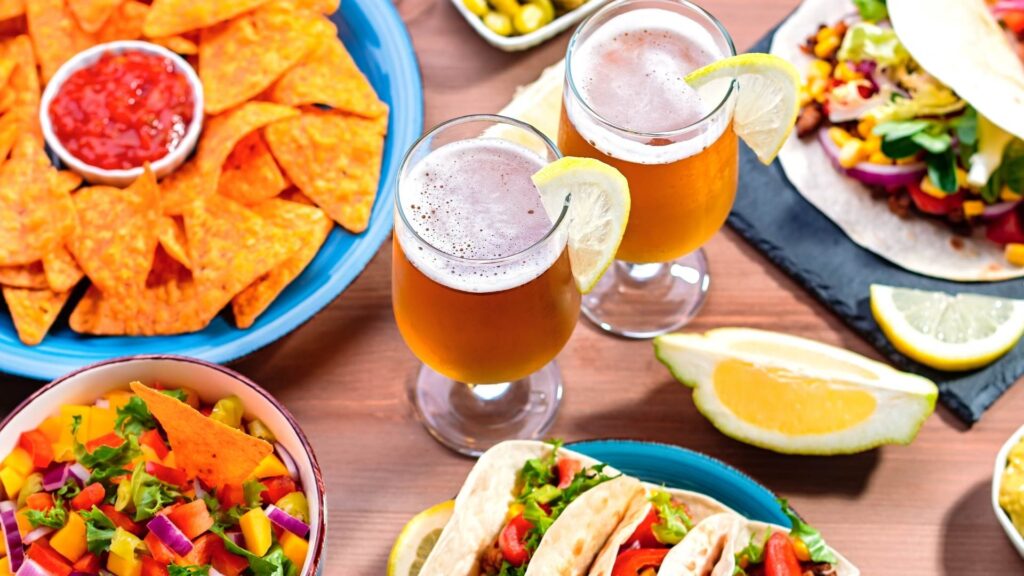
Price hikes in this category are driven by rising ingredient costs, sustainable sourcing, and production expenses. Consumers purchasing organic, plant-based, or speciality foods often value quality, ethics, or health benefits, making them less sensitive to moderate price increases. Brands can also use bundle deals or pay-over-time options to keep products accessible while maintaining margins.
4. Subscription services: Streaming platforms, software, digital tools
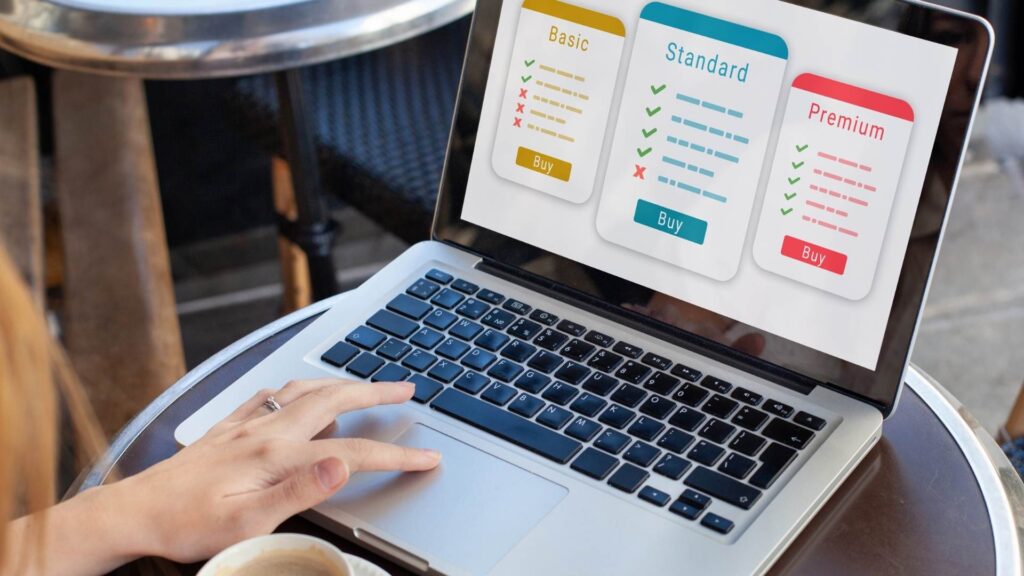
Recurring services are prime candidates for small, incremental price hikes due to the commitment and sunk cost effects.
Once customers subscribe, they are more likely to accept higher fees because they are already invested. Providers often enhance their services alongside price hikes, adding features or content that reinforce perceived value and reduce churn.
5. Household essentials: Cleaning products, toiletries, and eco-friendly alternatives
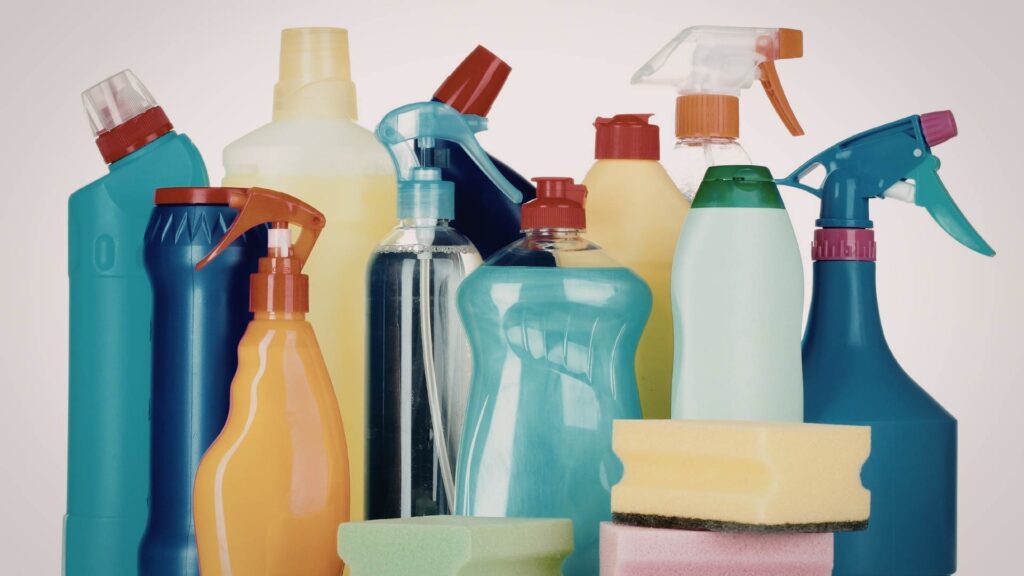
Essentials are affected by inflation, raw material shortages, and transportation costs. Eco-friendly alternatives may have higher base production costs due to sustainable materials.
Consumers often notice price increases in essentials but may tolerate them if products are marketed as high-quality, safe, or environmentally responsible, or if bulk purchases or flat-rate bundles make them feel like they’re getting more value.
Psychological Pricing Strategies: Tips to increase prices and not lose loyal customers.
Charm Pricing & Odd–Even Pricing
Charm pricing sets prices just below round numbers, such as £9.99 instead of £10, while odd-even pricing uses specific odd or even endings to influence perception.
Psychologically, people read prices left to right, so £9.99 feels closer to £9 than £10. Odd numbers also signal value or discount. Brands use this during price hikes to soften the emotional impact, making increases feel smaller and less noticeable, which helps maintain sales even as prices rise.
Anchoring Against Older Prices
Anchoring shows the previous price alongside the new one, for example, “Was £3.50, now £4.00.” The initial number becomes a mental reference point, so consumers perceive the increase as reasonable rather than excessive. This approach helps companies frame price hikes as controlled or temporary, reducing the chance of strong negative reactions.
Bundle Pricing
Bundle pricing groups multiple products together at a single price, such as selling shampoo, conditioner, and treatment as a package.
People are poor at mentally dividing bundle costs, so their attention shifts to the overall value rather than individual prices.
During price hikes, companies use bundles to hide individual increases while encouraging customers to spend more and feel like they are getting a good deal.
Subscription Models
Subscription pricing offers multiple tiers with varying benefits, often billed monthly. Consumers compare the tiers instead of focusing on the base price, and a higher-priced tier can make mid-level plans appear reasonable through the decoy effect.
Monthly payments feel smaller and more manageable than one-off costs. This strategy helps normalise higher prices and gives customers a sense of control during price increases.
Freemium & Premium Upgrades
Freemium models provide a free base version with optional paid upgrades. Psychologically, once users are invested, loss aversion makes them less willing to give up features.
Paying a small amount for added value feels justified, and the increase appears optional rather than imposed. Brands use this to boost revenue without triggering backlash during price hikes.
Artificial Urgency
Artificial urgency uses time-limited messaging such as “Last chance at this price” or “Buy now before prices rise.” Scarcity triggers fear of missing out, causing consumers to act quickly and think less critically about increases.
Companies apply this strategy during price hikes to shift focus from fairness to immediate action, helping customers accept higher prices more readily.
Marketing Tactics to Support Price Hikes
- Highlighting quality, craftsmanship, or added benefits: Emphasising what makes a product special or superior helps justify a higher price. Consumers perceive that higher-quality materials, expert craftsmanship, or extra features make the cost worthwhile. When price increases are linked to tangible improvements, shoppers are more likely to accept them.
- Clear messaging of value for money: Communicating how much the customer gains relative to the price helps frame a price hike positively. Showing benefits, savings over time, or long-term advantages makes the increase feel reasonable rather than arbitrary. Customers focus on what they get, not just what they pay.
- Leveraging social proof and testimonials: Positive reviews, endorsements, or customer testimonials make higher prices easier to accept. Seeing that others have bought the product and found it valuable reassures shoppers that the cost is justified. Social validation reduces hesitation and builds trust.
- Mobile-friendly presentation of price changes: Since many consumers shop on mobile devices, presenting price updates clearly and attractively ensures that they understand the value without confusion. Clean layouts, easy-to-read pricing, and visible benefits prevent frustration and make higher prices feel more digestible.
If you want your packaging to communicate quality, value, and trust while supporting price increases, partnering with the right experts makes all the difference.
At Goulding Media, our team of skilled packaging designers in the UK creates designs that not only stand out on shelves but also reinforce the perception of premium value, helping customers accept price adjustments with confidence.
Let us help your brand turn every package into a powerful sales tool.
Wrapping Up
In 2026, price hikes are shaped by both rising costs and consumer psychology. Shoppers react to perceived value, fairness, and urgency, not just the number on the tag.
Brands that use clear messaging, pricing strategies, and value-driven marketing can raise prices while maintaining trust and sales. Success comes from balancing transparency, consumer perception, and smart communication.