The adult soft drinks market is evolving. While overall consumption has stayed flat, consumers are willing to pay more for premium, health-focused, and convenient options.
At the same time, sustainability rules like the UK’s Extended Producer Responsibility (EPR) are changing how brands think about packaging costs and materials. In response, slim aluminium cans are becoming a preferred format.
Once seen as just practical or affordable, they now signal quality, modernity, and sophistication. Brands are using slim cans to refresh their image, reach new consumption occasions, and stand out on shelves—all without changing the drink itself.
This trend shows how packaging has become a key tool for growth and relevance in a competitive market.
Why Packaging Format Has Become a Strategic Lever (Not a Design Detail)
Packaging now plays a key role in costs and strategy. This is mainly because of the UK’s Extended Producer Responsibility (EPR) rules, which charge companies for collecting and recycling their packaging.
For example, a 330ml glass bottle weighs about 200g, while the same-sized aluminium can weighs only 12g.
Although the recycling fee per tonne is higher for aluminium (£266) than for glass (£192), the much lighter weight of cans means the total cost for recycling each drink is lower.
In other words, switching to slim aluminium cans saves money on disposal and transport, even though aluminium looks more expensive at first glance.
Why Slim Cans Now Signal Premium, Not Convenience
Changing Perceptions of Packaging
For a long time, cans were seen as practical and affordable, while glass bottles were considered premium. However, that perception has shifted.
Today, slim cans are recognised as a sign of quality, sophistication, and modernity, especially for adult soft drinks.
Premium Defined by Design, Not Material
Premium is no longer about weight or packaging material. Instead, it is about design, intention, and overall experience. Consumers now seek drinks that feel thoughtful and grown-up, rather than mass-produced or childish.
Slim cans deliver this through clean shapes, refined proportions, and contemporary designs, similar to craft beer, ready-to-drink cocktails, and functional wellness beverages.
Brands Choosing Slim Cans Deliberately
Many fast-growing adult soft drink brands use slim cans to reinforce a premium image. Aluminium is replacing glass as a preferred “premium” option, as long as the design is clean, bold, and benefit-led. This shows that it’s the design and presentation, not just the material, that communicates quality.
Alignment With Modern Drinking Habits
Slim cans match how consumers drink today. People enjoy drinks at home, moderate alcohol, or alternate between alcoholic and non-alcoholic options.
Slim cans resemble cocktail cans or wine alternatives, making adult soft drinks feel appropriate for social occasions while maintaining style.
Supporting Premium Pricing
Consumers are willing to pay more for drinks in slim cans. Brands like Trip charge cocktail-level prices, proving that the format itself adds perceived value, even if functional benefits are subtle.
Creative Flexibility for Brands
The tall, narrow shape of slim cans provides a strong canvas for bold typography, colour blocking, and minimalist design. This allows brands to communicate sophistication quickly on the shelf, particularly in adult or functional beverage sections.
Convenience Is Fueling the Format Shift
Consumers are increasingly choosing cans over bottles because they are easier to handle in everyday situations. For example:
- Easier to Chill: Slim cans cool faster in the fridge, making them ready to drink quickly.
- Easier to Carry: Their lightweight, narrow shape fits neatly into bags, making them convenient for on-the-go consumption.
- Ideal for Informal Social Occasions: Cans work well for casual gatherings at home, such as picnics, barbecues, or small get-togethers.
Additionally, the trend of home entertaining has increased demand for single-serve, premium formats that feel special without requiring extra preparation.
For brands experiencing declining sales, slim cans offer a way to reposition products around new occasions without changing the drink itself.
By adopting this format, brands can make their offerings feel modern, convenient, and premium, giving consumers a reason to choose them over competitors.
Case Studies: Brands Using Slim Cans to Reset Perception
These examples show how well-known adult soft drink brands are using slim cans as a reset button — not by changing what’s inside the drink, but by changing how it shows up in people’s lives.
Franklin & Sons: Modernising Without Losing Credibility
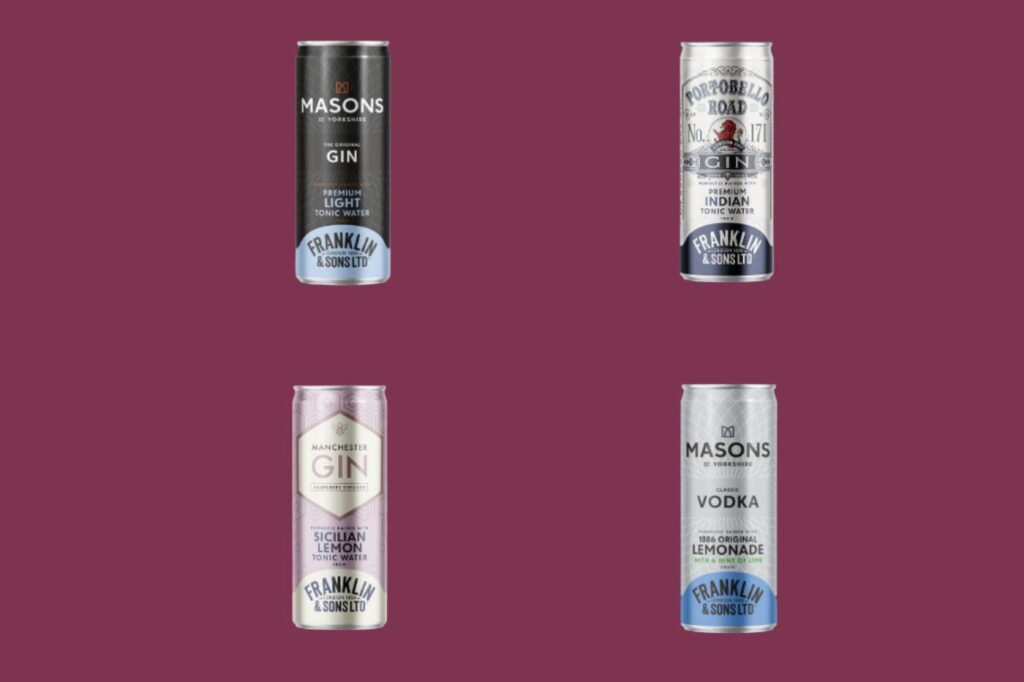
Franklin & Sons relaunched three of their bestselling drinks in 250ml slim cans, aiming to address growing concerns around sustainability and convenience.
Glass bottles, while traditional, are heavier and less practical for casual consumption, so the switch to cans reduced packaging weight and made the drinks easier to chill, carry, and enjoy on the go. Importantly, the liquid itself did not change.
However, the brand immediately felt more modern and relevant, especially for informal, at-home drinking occasions. By adopting slim cans, Franklin & Sons was able to reposition its products for today’s consumer without risking the loyalty of existing customers.
Cawston Press: Expanding When and How the Drink Is Used
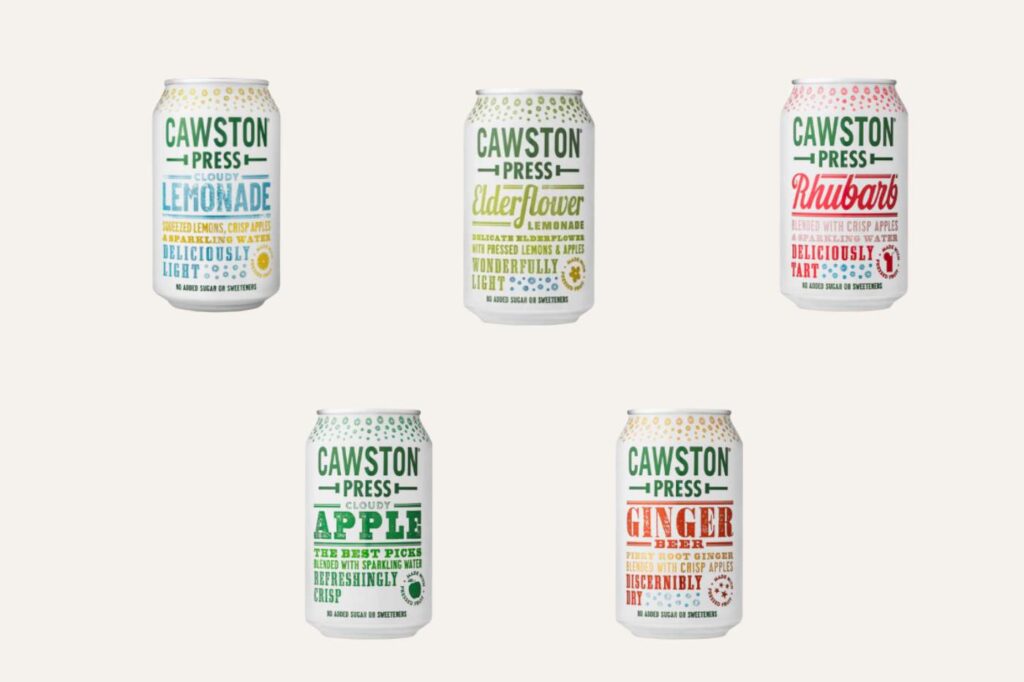
Similarly, Cawston Press introduced its juice-based fizzy drinks in 250ml slimline cans to reach new consumption moments. Previously, these drinks were primarily seen as daytime or family beverages.
The slim can format allowed the brand to pivot toward adult-oriented occasions, such as evening socialising or non-alcoholic alternatives for gatherings.
Consequently, the same product began to feel appropriate for a wider range of settings, showing that format alone can broaden usage occasions. This approach enabled Cawston Press to appeal to more mature consumers without changing the drink itself.
Bottlegreen & SHS Drinks (Shloer): Driving Trial Through Flexibility
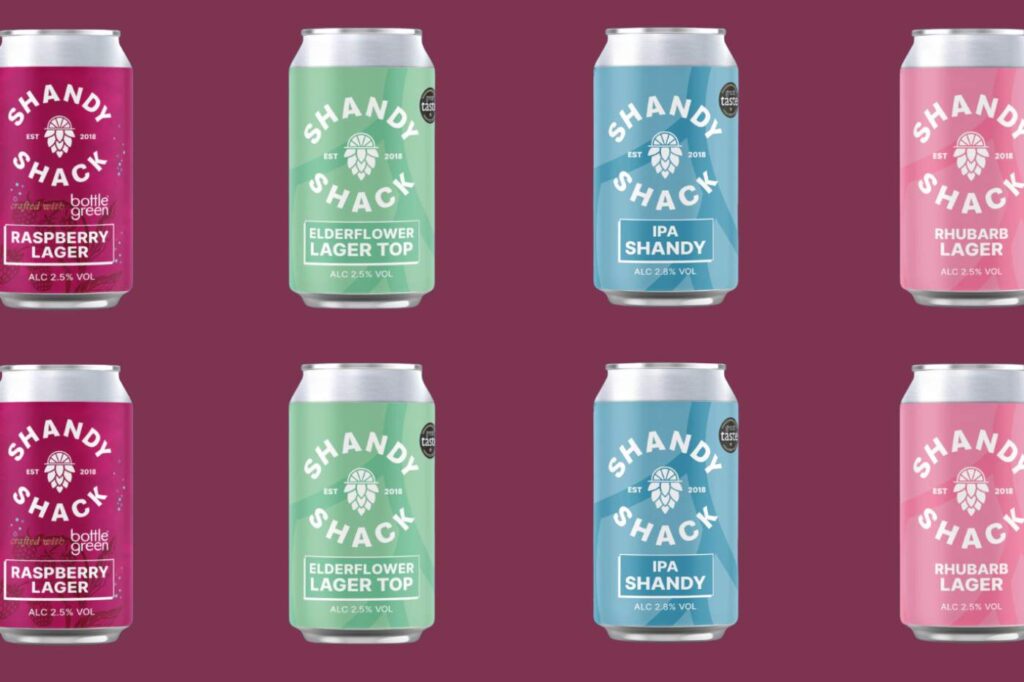
Bottlegreen and SHS Drinks highlighted how slim cans work well in discovery packs, meal deals, and single-serve formats
These formats make it easier for shoppers to try a brand with less commitment. Instead of buying a full-size bottle, consumers can sample a single can or a mixed pack.
Slim cans helped turn trial into a habit. They lowered the barrier to purchase, encouraged experimentation, and supported retail promotions — all crucial for established brands trying to stay visible and relevant.
The Bigger Pattern
Across all three examples, the same strategy appears:
- The brands did not change the liquid
- They did not abandon their heritage
- They used slim cans to refresh perception, unlock new occasions, and stay relevant
In short, slim cans are helping established brands evolve without starting over — making them a powerful, low-risk tool for brands looking to regain momentum.
Slim Cans + Wellness Positioning = Stronger Shelf Performance
Functional drinks—like probiotic sodas, botanical energy drinks, and vitamin blends—are growing quickly. In just one year, their retail value increased by +26.4%, reaching £143.5 million. This shows that consumers are willing to pay more for drinks that offer health or wellness benefits.
In fact, functional drinks are about 43% more expensive than standard soft drinks and are often priced even higher than craft beers. This higher price reflects both the perceived quality of the ingredients and the functional benefits the drinks provide.
Retailers are responding to this demand by creating clearly signposted functional drinks sections in stores. These dedicated bays make it easy for shoppers to find products with visible health benefits, and they reward brands that communicate these benefits clearly on packaging.
Retail Reality: Slim Cans Fit the Way Stores Now Sell
Slim cans are not just convenient for consumers—they also work well for retailers. Their smaller size and uniform shape make it easier for stores to:
- Increase facings in functional drinks bays, giving the product more visibility
- Include products in discovery packs or mixed-flavour formats, encouraging trial
- Add drinks to meal deals or promotional bundles
Retailers favour formats that help improve cash margin and turn first-time purchasers into repeat buyers. For brands struggling with declining sales, switching to slim cans can unlock new retail opportunities without having to remove existing SKUs.
What This Means for Brands Facing Declining Sales
For brands struggling to grow, slim cans offer a smart way to refresh their products without taking big risks. They help by:
- Refreshing shelf presence: Smaller, uniform cans make products stand out and are easier to merchandise.
- Signalling premiumisation without reformulation: The same drink can feel more sophisticated and modern simply through format change.
- Reducing packaging costs and sustainability exposure: Lighter cans lower transport and recycling fees compared to glass.
- Aligning with trends: Slim cans fit wellness-focused, moderation-friendly, and at-home social occasions that consumers increasingly seek.
For brands looking to make the most of this packaging shift, working with an experienced UK packaging designer can make all the difference. At Goulding Media, we help brands create slim can designs that communicate premium quality, wellness, and modernity on the shelf.
We combine strategic insight with creative design, we ensure your products stand out, connect with consumers, and support growth—without changing the drink itself.
Closing Thought: The Quiet Comeback Engine
Slim cans help brands feel modern, premium, and relevant. They fit trends like wellness, moderation, and home drinking, while also lowering costs and supporting sustainability. Examples like Franklin & Sons, Cawston Press, and Bottlegreen show that changing the can alone can refresh a brand, reach new occasions, and encourage trial. For adult soft drink brands, slim cans are a smart way to grow and stay visible without changing the drink itself.