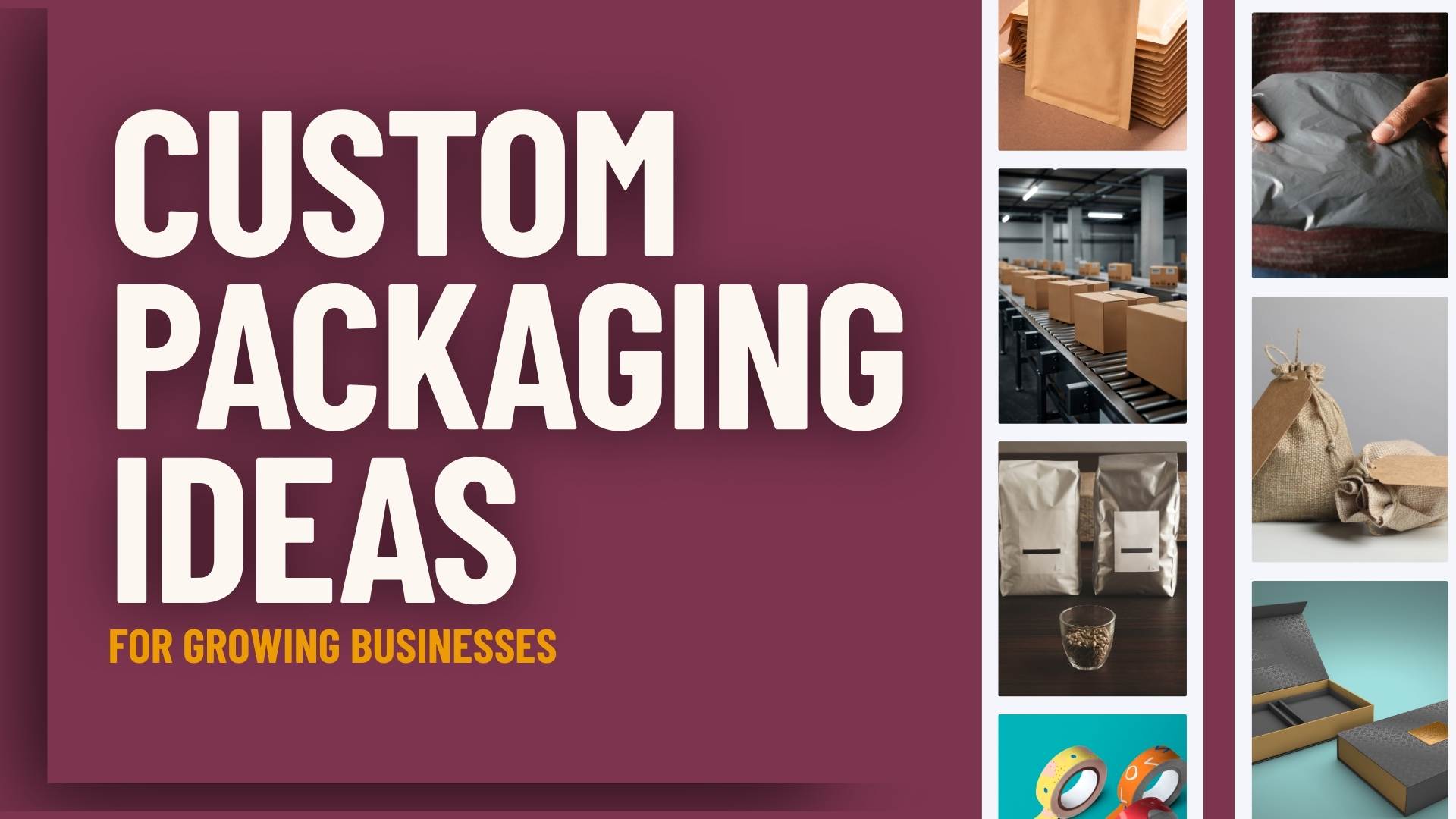
For growing businesses, packaging is essential to help them create a strong first impression and stand out in a crowded market. Custom packaging enables challenger brands to showcase their identity, deliver a memorable unboxing experience, and connect with customers on a deeper level.
Plain or generic boxes often get overlooked, while personalised touches such as branded designs, eco-friendly materials, or creative inserts turn packaging into a powerful marketing tool.
Exploring bold custom packaging ideas helps businesses strengthen brand loyalty, increase sales, and build lasting customer relationships.
Custom Packaging Ideas for Small Businesses
These are the most popular custom and personalised packaging options available for challenger brands to use today. Each type comes with unique benefits for protection, branding, and customer experience.
1. Corrugated Boxes
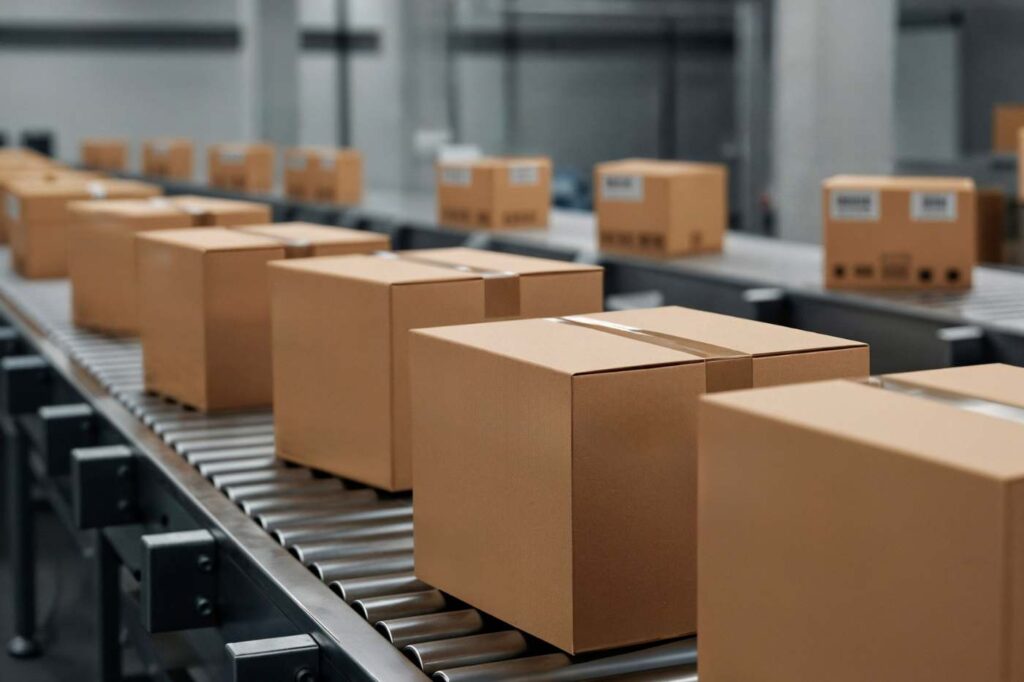
Corrugated boxes are the backbone of shipping for many businesses. They’re made of layered cardboard that’s durable, collapsible for storage, and adaptable to different product sizes. This makes them cost-effective and practical for growing businesses.
Why you should use them:
- Strong enough to handle heavy or fragile products.
- Affordable to order in bulk.
- Easy to customise with your logo, brand colours, or even printed designs on the inside flaps for a “surprise-and-delight” unboxing moment.
- Can be used as a generic designed box with labelling options to help reduce costs for initial new range/brand launches.
- Easily recyclable and can be sourced from recycled materials.
Real-world example: Cutaway Knives uses branded corrugated boxes that protect their products while also reinforcing their sleek brand identity. Customers see the brand before they even open the box, which makes the shipping box part of the product experience.
Best for: electronics, subscription boxes, food kits, consumer sampling and any other product that needs reliable protection during shipping.
2. Dunnage Packaging
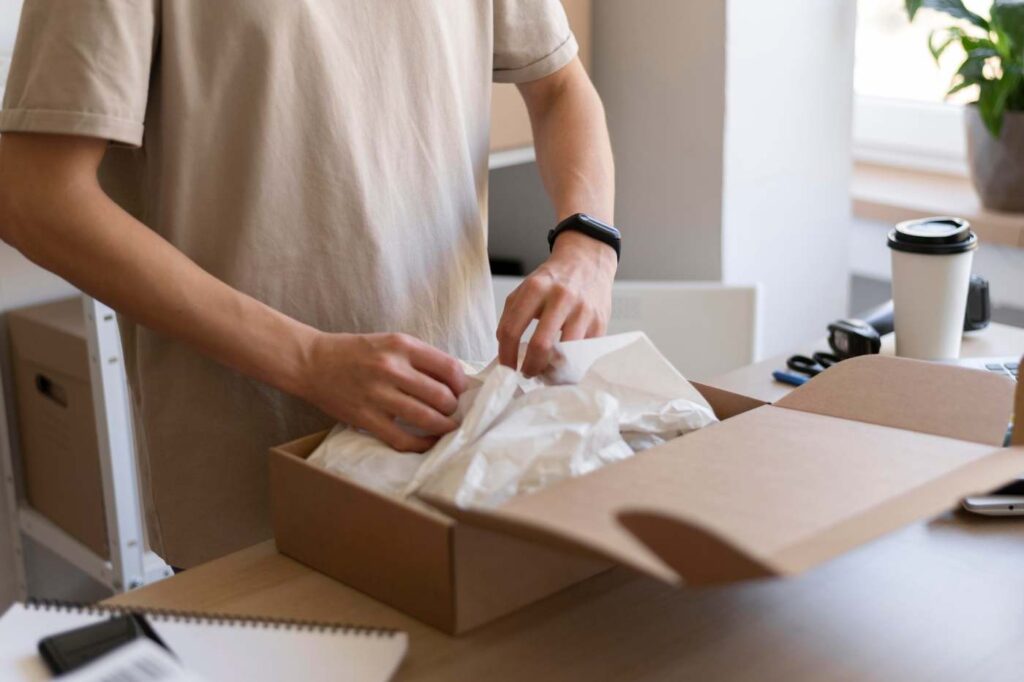
Dunnage refers to the cushioning materials you put inside your packaging to keep items safe. While plain bubble wrap works, today’s small businesses are moving toward eco-friendly and visually appealing options that protect and enhance the unboxing experience.
Options include:
- Bubble wrap and air pillows for delicate products.
- Honeycomb kraft paper, which is recyclable and looks upscale.
- Padded mailers, including compostable or recyclable versions, for smaller items.
- Removing the need for this additional packaging by using a cut-out section of the mailing box.
Why small businesses use them:
- Prevents breakage, dents, or scratches during transit.
- Gives customers confidence that their order arrived in perfect condition.
- Sustainable options allow you to show your commitment to the environment, which customers value more than ever.
Best for: glassware, ceramics, cosmetics, handmade crafts, and other fragile items.
3. Plastic Mailers & Poly Bags
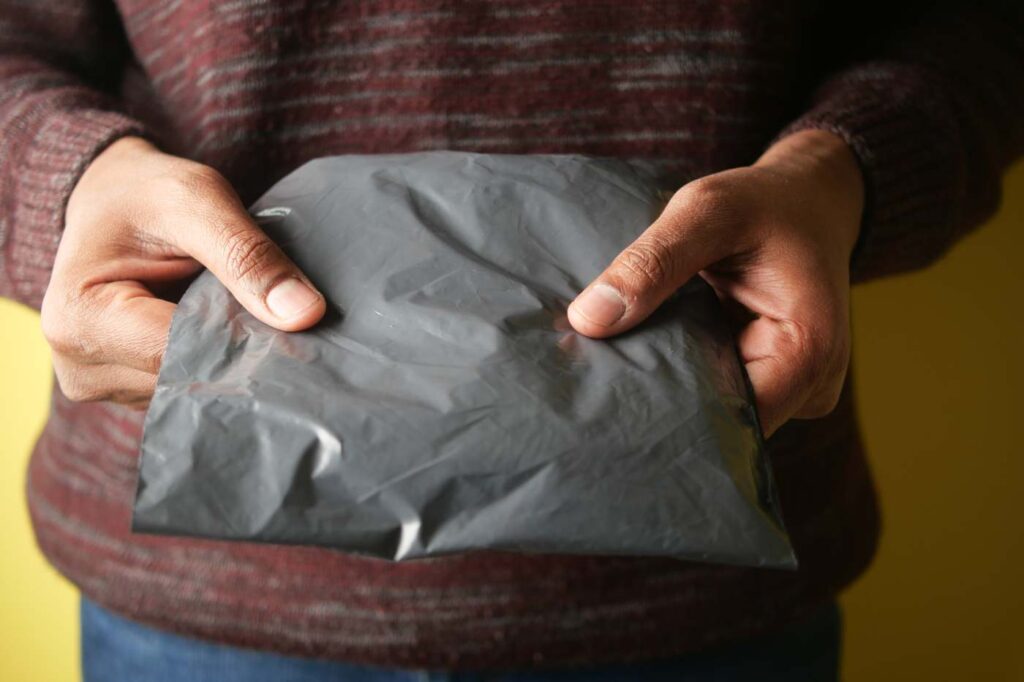
Plastic mailers are flexible, tear-resistant, and waterproof, making them a go-to option for small businesses shipping non-fragile products. They’re lightweight, which reduces shipping costs, and can be printed with your logo to create a branded experience.
Why small businesses use them:
- Cost-effective and durable.
- Ideal for apparel, accessories, or soft goods that don’t require much protection.
- Easy to store and use — no need for extra boxes or tape.
- Weatherproof for items which may get easily damaged by water or weather conditions.
Eco-friendly upgrades: Many suppliers now offer plant-based, biodegradable, or recycled poly mailers, allowing businesses to be sustainable while maintaining the convenience of plastic.
Best for: clothing brands, handmade jewellery sellers, or subscription businesses with soft, non-breakable products.
4. Paper Mailers
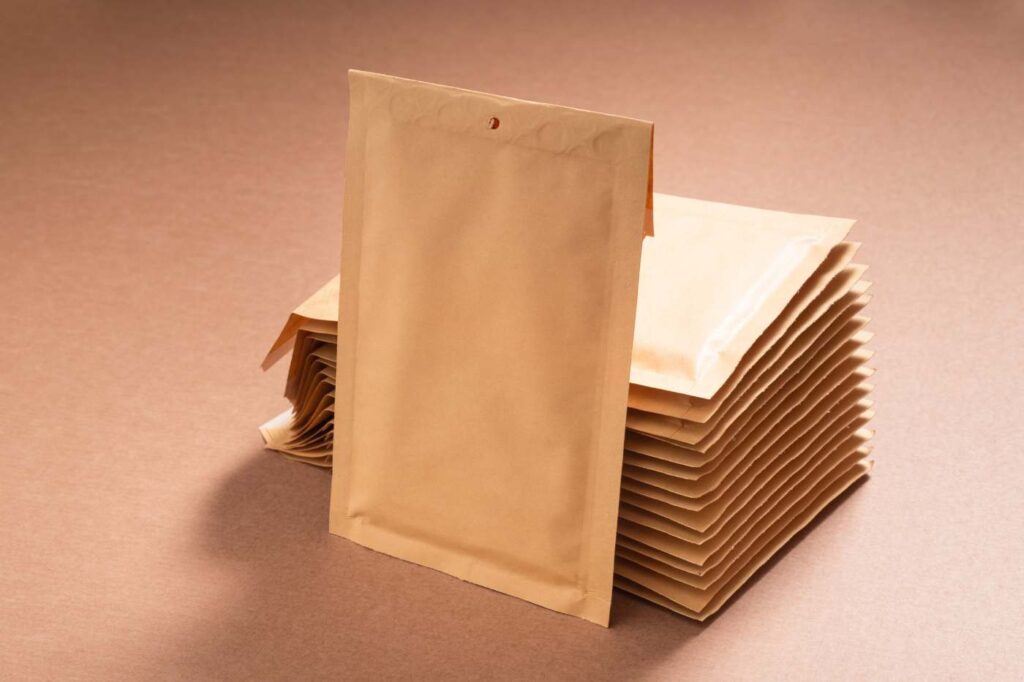
Paper mailers are the eco-friendly cousin of plastic mailers. They’re lightweight, recyclable, and provide a clean, natural look that works especially well for brands that want to highlight sustainability.
Why small businesses use them:
- More environmentally friendly than plastic.
- Easy to print with bold designs, logos, or seasonal themes.
- Lighter than boxes, saving on shipping costs.
Best for: books, cosmetics, stationery, or small items that need light protection but not heavy cushioning.
Pro tip: Many small businesses use digitally printed designs on paper mailers to stand out, turning even a simple envelope into a branded piece of marketing.
5. Rigid Boxes
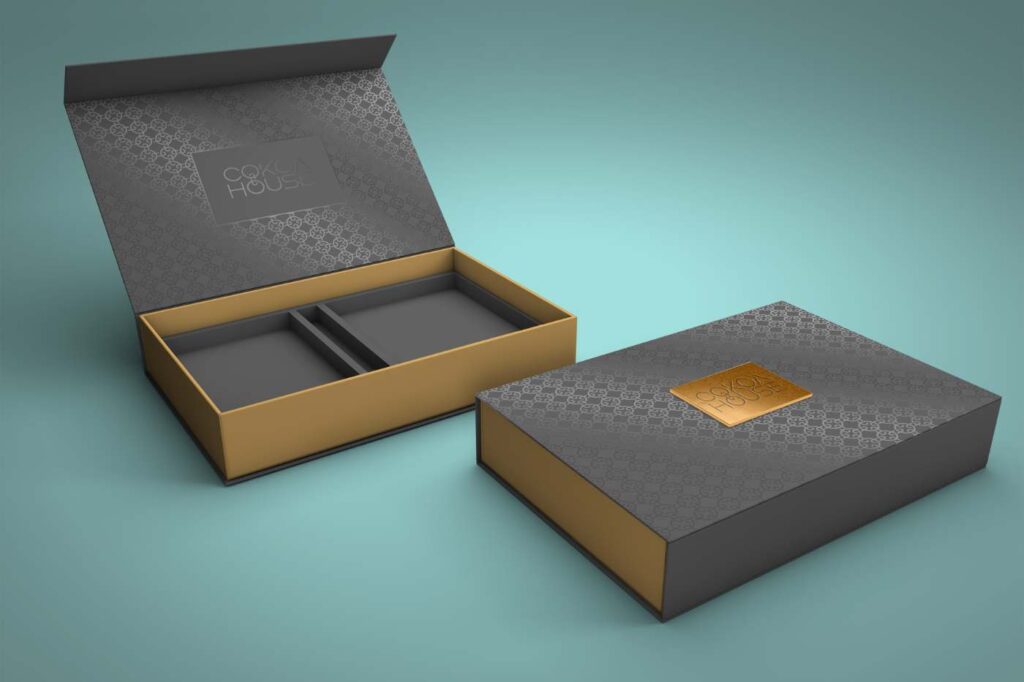
Rigid boxes are a step above standard packaging. They’re made with thick, durable material that doesn’t collapse easily, giving them a sturdy and upscale feel. Think of the kind of box you get when buying an iPhone or high-end jewellery.
Why small businesses use them:
- Elevates the perceived value of the product.
- Sturdy enough to protect premium or delicate items without needing extra layers.
- Can include custom inserts (foam, moulded pulp, or compartments) to hold products in place and add to the “wow” factor.
Best for: luxury goods such as watches, cosmetics, tech accessories, premium chocolates, or jewellery.
Pro tip: Even if your product is simple, putting it in a rigid box can transform how customers see your brand — turning an everyday item into a gift-worthy purchase.
6. Paperboard Boxes
Paperboard boxes are lighter than rigid boxes but still give a polished, premium look. They’re versatile and can be shaped, cut, or printed in many ways — making them an affordable way to achieve premium-style packaging without the same cost as rigid boxes.
Why small businesses use them:
- Highly customisable with finishes like embossing, foil stamping, or die-cut windows.
- Lightweight and less expensive to produce and ship compared to rigid boxes.
- Perfect balance between premium look and affordability.
Best for: cosmetics, speciality food products, small electronics, boutique clothing accessories, or seasonal gift packaging.
Pro tip: Paperboard packaging works great for brands that want to highlight creativity — bold graphics, unique shapes, or themed designs make your product stand out on the shelf and online.
7. Custom Tapes & Stickers
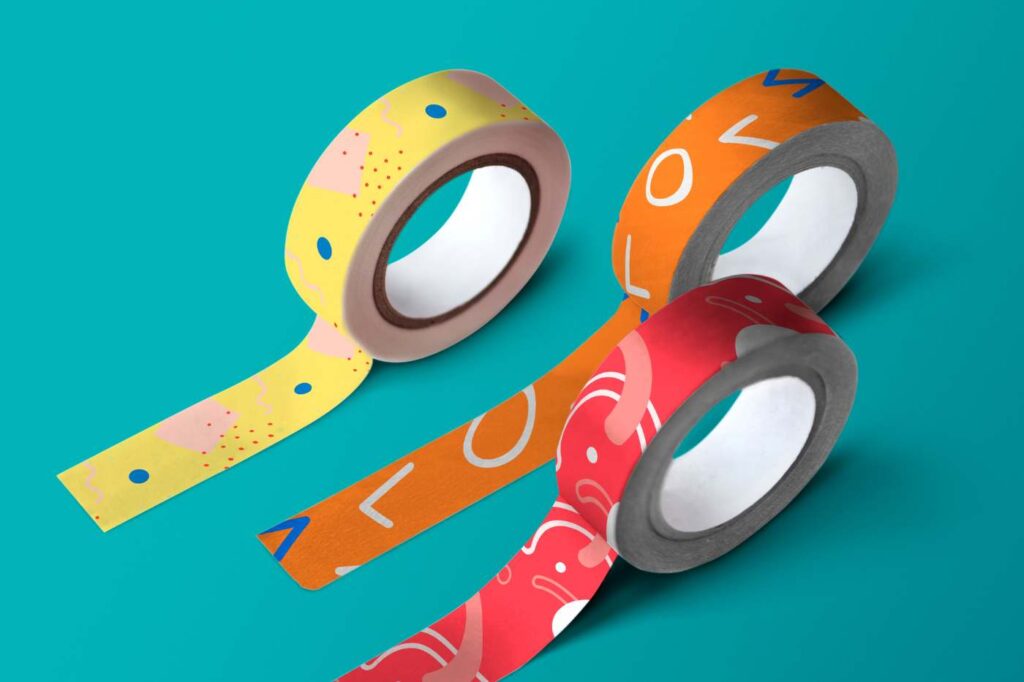
Branded adhesive tapes or stickers that seal your boxes, mailers, or wrapping.
Why small businesses use them:
- Simple, low-cost way to brand plain packaging.
- Stickers can double as freebies — customers may use them on laptops, water bottles, or notebooks, spreading your brand further.
- Adds a professional, cohesive look without the expense of fully printed boxes.
Best for: eCommerce shops, subscription boxes, or any brand that wants affordable, eye-catching customisation.
Example: A bakery shipping cookies in plain kraft boxes can add custom logo stickers to instantly upgrade the look.
8. Custom Tissue Paper
Lightweight wrapping paper printed with your logo, colours, or patterns.
Why small businesses use it:
- Creates an elevated, “gift-like” unboxing experience.
- Affordable compared to rigid or fully custom-printed boxes.
- Reinforces branding through design while protecting products inside the package.
Best for: clothing, beauty products, handmade items, or gift sets.
Pro tip: Many brands use patterned tissue paper as a way to surprise customers when they open the box — turning a simple package into an experience worth sharing on social media.
9. Jute Packaging
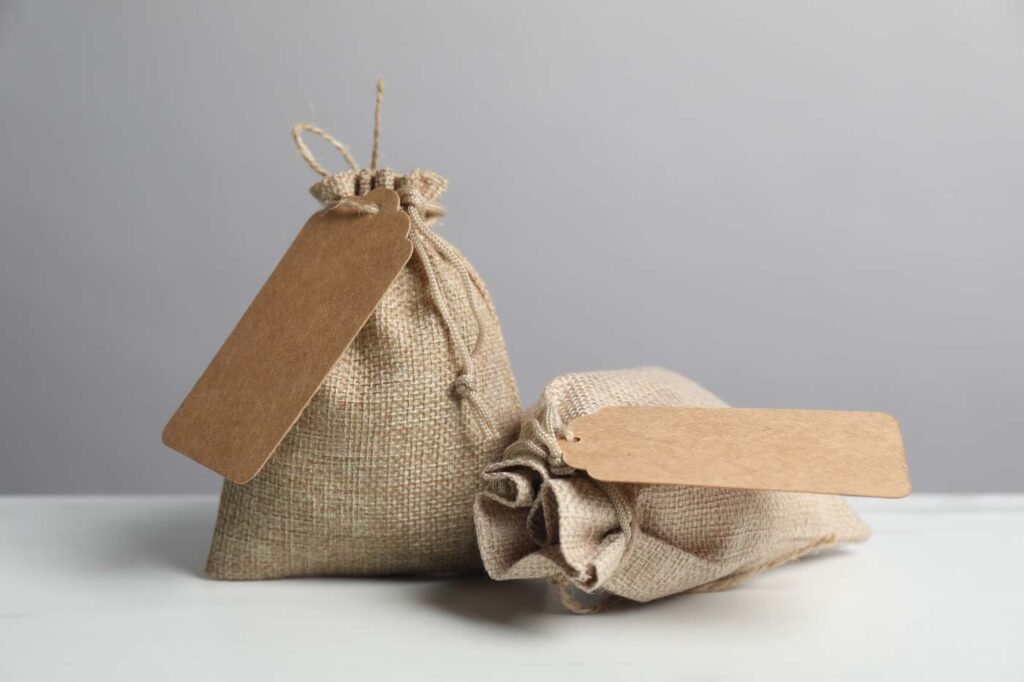
Natural, plant-based fibre material is often used in pouches, sacks, or wrapping.
Why small businesses use it:
- Strong, eco-friendly, and reusable — shows commitment to sustainability.
- Breathable, making it great for dry goods like coffee, nuts, or grains.
- Adds a rustic, authentic touch that connects well with artisanal or organic brands.
Best for: food brands, farmers’ markets, artisanal goods, and eco-conscious businesses.
Example: A small coffee roaster could package beans in branded jute bags for a premium, sustainable feel.
10. Foil-Sealed Bags
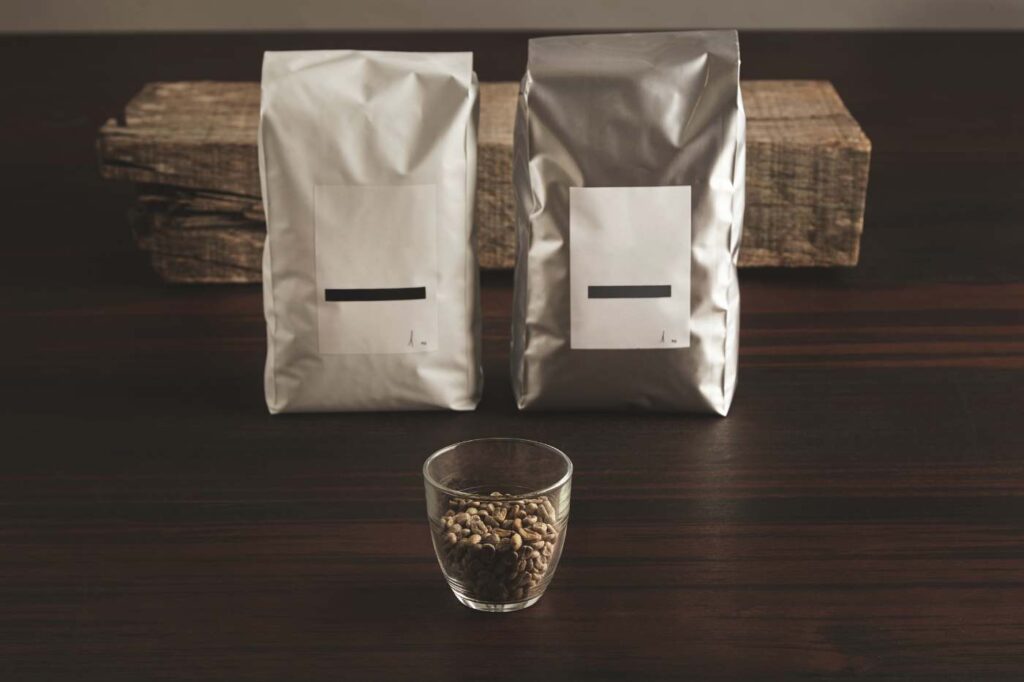
Airtight bags that preserve freshness and protect against moisture, light, and oxygen.
Why small businesses use them:
- Extends the shelf life of food or perishable items.
- Can be branded with printed designs, labels, or custom finishes like matte or glossy foil.
- Available in recyclable and compostable versions, aligning with eco-friendly trends.
Best for: coffee, tea, snacks, supplements, and other food products that need to stay fresh.
Pro tip: Pairing foil-sealed bags with resealable zippers adds convenience for the customer and encourages repeat use.
Steps to Develop Custom Packaging
Once you know the types of bespoke packaging available, the next step is creating a plan that matches your brand, product, and customer expectations.
1. Define Your Packaging Goals
Ask yourself why you’re investing in custom packaging:
- Protection: If you sell fragile products like glass jars, electronics, or handmade candles, your packaging needs strong corrugated boxes with inserts to prevent breakage.
- Unboxing Experience: If you sell jewellery, skincare, or luxury items, you’ll want a rigid box with magnetic closure, soft-touch lamination, or custom tissue for a premium feel.
- Sustainability: If your customers value eco-conscious brands, consider kraft boxes, compostable mailers, or soy-based inks. Adding a printed message like “100% recyclable” reinforces your brand values.
The clearer your goal, the easier it is to make cost-effective packaging choices.
2. Know Your Product Needs
The product itself determines what works:
- Size & Shape: A t-shirt fits perfectly in a poly mailer, while a candle needs a snug box with protective inserts.
- Weight: Heavy products (like jars of honey) need double-wall corrugated cardboard, while lightweight items can use flat mailers.
- Fragility: For glass or ceramics, add die-cut inserts or moulded pulp trays to keep products secure.
- Shelf Life: For baked goods or coffee, use foil-sealed bags with resealable zippers to keep them fresh longer.
Don’t design packaging until you confirm the product’s exact requirements.
3. Understand Your Customers
Packaging should reflect what your buyers expect and value:
- Premium Feel: If you sell artisan chocolates, your customers expect elegant, gift-style packaging. Foil stamping and satin ribbon closures can elevate the experience.
- Eco-Conscious Buyers: If you sell organic skincare, kraft packaging with minimal ink and compostable wraps make more sense.
- Social Media Factor: If your target market is Gen Z or millennials, packaging that’s “Instagrammable” can generate free marketing. Think bold colours, unique box openings, or surprise inserts, such as thank-you cards.
Always consider the emotions your packaging should evoke when it is first opened.
4. Choose Your Packaging Type
Match the packaging format with your product and goals:
- Corrugated Boxes: Best for shipping fragile or heavy products (electronics, ceramics). It can be custom printed on both the outside and inside.
- Rigid Boxes: Used by luxury brands (jewellery, cosmetics, premium teas). Sturdy, high-end, and ideal for gifting.
- Paperboard Boxes: Lightweight packaging for retail shelves (cereal, cosmetics, small gadgets).
- Mailers: Poly mailers for clothes, kraft mailers for eco-friendly custom packaging. Both can be custom printed with your logo.
- Food Packaging: Foil-lined pouches for coffee, resealable zipper bags for snacks, or jute bags for organic goods.
Extras to consider: branded tape, logo stickers, or custom tissue to reinforce brand personality.
5. Work on the Design
Make your packaging instantly recognisable:
- Logo Placement: Ensure your logo is visible on the front or top panel of the packaging.
- Brand Colours: If your brand is playful, use bright tones. If you’re luxury-focused, stick to blacks, whites, or metallic finishes.
- Typography: Use clean fonts for readability. For eco-brands, earthy fonts and minimalistic design work best.
- Product Information: Add QR codes linking to tutorials, care instructions, or your website.
- Eco Messages: Example: “This box is made using 100% recycled cardboard.”
A clean design with strong branding usually makes a bigger impact than overloading with graphics.
6. Choose Materials & Printing Options
Your material and printing method affect cost, durability, and overall impression:
- Materials:
- Kraft paper → eco-friendly and affordable.
- Rigid board → strong and premium.
- Recyclable plastics → for products that need moisture protection.
- Printing:
- Digital Printing → affordable for runs under 500 units.
- Offset Printing → sharper and cost-effective for 1,000+ units.
- Speciality Finishes → embossing, spot UV, foil stamping for high-end appeal.
Example: A bakery might use Kraft boxes with digital printing for small runs, while a luxury watch brand might use rigid boxes with foil stamping.
7. Request Samples & Prototypes
Always order a prototype before bulk production:
- Check Fit: Make sure the box holds your product snugly — no rattling or wasted space.
- Durability Test: Ship a sample to yourself or drop-test it with the product inside.
- Colour Accuracy: Ensure the printed colours match your brand palette.
Spending a small amount upfront on prototypes can save thousands in mistakes later.
8. Compare Suppliers & Costs
Don’t lock into the first supplier you find. Compare:
- Price per unit (e.g., £0.50 per custom mailer vs. £1.50 for a printed box).
- MOQ (Minimum Order Quantity): Some suppliers require 500 units, others 5,000.
- Turnaround Time: Overseas suppliers may take 4–8 weeks, while local ones might deliver in 2 weeks.
- Eco Options: Some offer FSC-certified paper or compostable films.
Ask for a detailed cost breakdown: unit price, shipping, setup fees, and design charges.
9. Test with Customers
Before rolling it out fully, test it on real buyers:
- Send 20–30 orders with the new packaging.
- Ask for direct feedback via email or social media polls.
- Track if customers mention packaging in reviews or share unboxing videos.
Example: An online boutique tested new pink mailers and saw a 20% increase in Instagram tags.
10. Launch & Monitor
Roll it out in your next batch of orders and keep track:
- Customer Feedback: Are people praising the packaging in reviews?
- Performance: Is it withstanding shipping without damage?
- ROI: Does the new packaging increase repeat orders or referrals?
Example: A coffee roaster switched to resealable foil pouches with bold branding and noticed higher shelf visibility and more reorders.
If you want expert support through every stage of this process, Goulding Media can help bring your ideas to life. As a UK packaging designer, we create bespoke solutions that align with your product needs, brand personality, and customer expectations. Whether you need a full redesign, premium retail packaging, or cost-effective custom mailers, our team guides you through materials, design choices, prototypes, and production so you can launch packaging that makes a real impact.
ROI of Custom Packaging
Designing packaging costs money, so many business owners wonder if it’s worth the investment. The truth is, custom packaging pays off in multiple ways — not just through better sales, but also through stronger loyalty, reduced returns, and improved brand visibility.
1. Sales Growth and Pricing Power
Custom packaging influences how customers perceive product value. Products packaged in unique, branded designs are also more likely to stand out in competitive categories, improving shelf presence and online conversion rates. Case studies, such as Fairlife’s redesign, which led to a 55% sales increase, illustrate the measurable revenue impact.
2. Customer Retention and Loyalty
The unboxing moment is a proven driver of repeat purchases. A survey by GWP found that 52% of consumers are more likely to buy again if products are in premium packaging.
By creating memorable and consistent experiences, brands turn one-time buyers into loyal advocates. Repeat customers typically spend 67% more than new buyers, showing the compounding ROI of packaging that strengthens loyalty.
3. Reduced Returns and Operational Savings
Custom packaging also improves efficiency. Right-sized packaging lowers shipping costs and minimises material waste, while sturdy, tailored designs reduce damage rates.
Fewer damaged products mean fewer returns, less customer dissatisfaction, and lower replacement expenses. For e-commerce businesses, where return shipping costs can eat into margins, this operational efficiency directly impacts profitability.
4. Marketing Value and Brand Equity
Packaging doubles as a marketing channel. A branded box or mailer carries your logo, colours, and message directly into a customer’s home. Unlike ads that require continuous spend, packaging provides ongoing exposure at no extra cost once implemented. This brand equity compounds over time, strengthening recognition and trust.
5. Long-Term Value Creation
The ROI of custom packaging isn’t always immediate—it builds over customer lifecycles. Enhanced perception leads to higher margins, stronger loyalty leads to repeat sales, and operational improvements reduce hidden costs. When evaluated over months or years, the financial returns often outweigh the initial investment.
How Much Does Custom Packaging Usually Cost
Custom packaging usually costs anywhere between £0.20 and over £12 per unit, depending on the style, materials, and order size. Affordable options like branded stickers, labels, or poly mailers can cost around £0.20 to £0.80 each, while standard corrugated shipping boxes typically range between £0.80 and £3 per box.
Premium packaging, such as rigid boxes for luxury products, is more expensive, usually £4 to £12 or more per unit, especially if you add finishes like foil stamping, embossing, or magnetic closures.
Ordering in larger volumes brings the price per unit down, making bulk orders more cost-effective for small and growing businesses.
Wrapping Up
Custom packaging is not just about making your products look good; it also helps boost sales, build customer loyalty, and protect your items better. Even small changes, like using branded boxes or eco-friendly materials, can make a big difference in how customers see your business. It’s an investment that can pay off by bringing in repeat buyers, reducing returns, and making your brand stand out.