Grocery store shelves are battlegrounds where brands fight for attention. Products in prime spots get noticed first, helping to drive sales. Nearly two-thirds of purchases happen on impulse, so visibility determines what shoppers pick.
Effective shelf placement combines shopper behaviour, psychology, and data to maximise impact. Eye-level shelves, complementary product groupings, and bold packaging catch attention.
Understanding these principles sets the stage for the strategies, techniques, and real-world examples that follow in this article, showing exactly how brands win on the shelf and boost both sales and visibility.
The Science Behind Shelf Placement
1. Eye-level is buy level
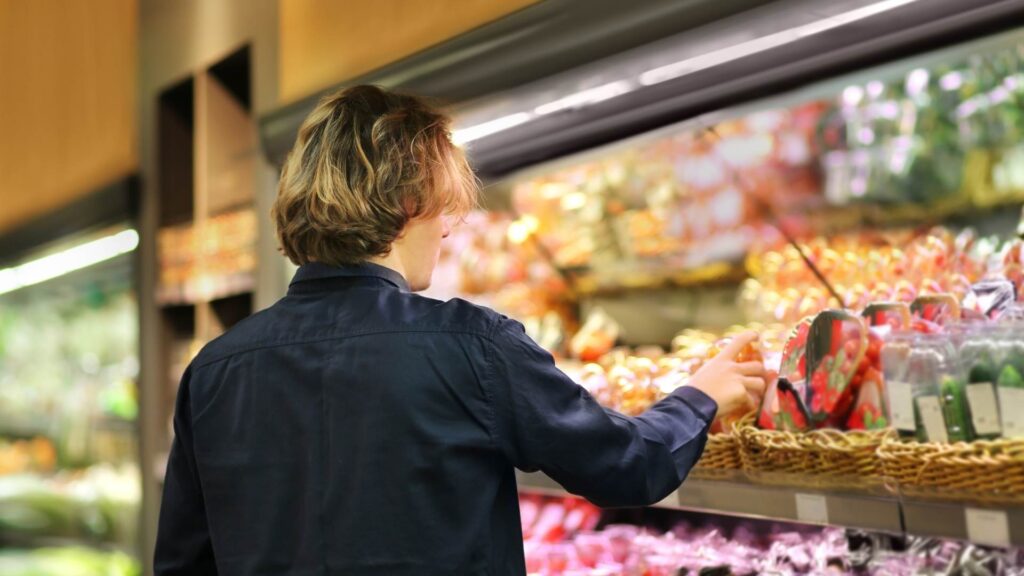
Products placed at eye level attract 17% more purchases compared to other positions. This effect occurs because shoppers naturally focus on items in their direct line of sight, making them more likely to notice and pick up hero SKUs.
High-performing or hero SKUs positioned here have a higher chance of being picked up, increasing sales and ROI for premium shelf space.
2. Shopper behaviour patterns
Shoppers scan shelves in predictable ways: typically top-to-bottom and left-to-right. Most make their purchase decision in 4 – 7 seconds. Understanding this behaviour allows retailers to place products where the eye naturally goes first, improving discoverability and impulse purchases.
3. Psychology of product placement
Colour, design, and perceived value affect buying decisions. For example:
- Blue conveys trust and safety (used by tech and pharmacy brands)
- Black suggests luxury and sophistication
- White signals hygiene and expertise in healthcare or food categories
These cues influence how shoppers perceive products even before they read labels or consider price.
4. Impact on brand perception
Shelf position communicates product quality. Items at eye-level are subconsciously associated with better value or higher quality.
Conversely, products on bottom shelves often appear less desirable or low in demand. Strategic placement strengthens brand credibility, drives recognition, and can outperform competitors even if the product itself is identical.
Shelf Positioning Strategies
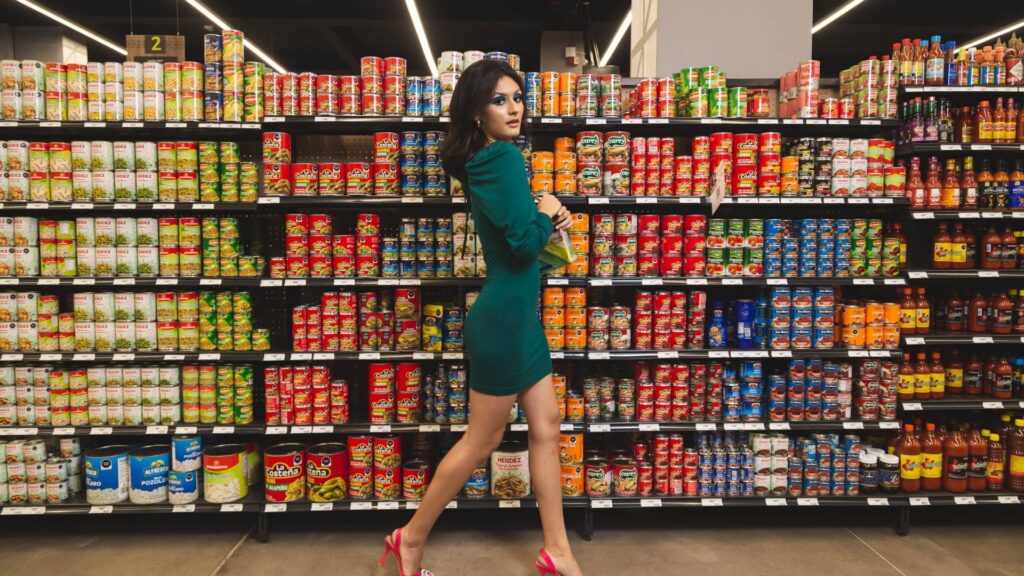
1. By Shelf Level – Using vertical placement to influence visibility
- Eye-level shelf for hero SKUs: The most visible area for shoppers; hero or top-selling products placed here are most likely to be noticed and purchased. Maximises ROI for premium SKUs.
- Hand-level and waist-level for mid-range products: Hand-level is slightly below eye level; ideal for fast-moving or secondary products. Waist-level works for value packs or products that require intentional browsing rather than impulse buying.
- Bottom shelf for low-margin or kids’ products: Less visible for adults but convenient for bulk, value items, or kids’ eye-level (children can see and request them). Lower-cost products are placed here to avoid wasting prime space.
- Kids’ eye-level for toys/snacks: Products aimed at children are placed at their height. Children influence purchasing decisions, especially in categories like confectionery or toys, increasing sales through “pester power.”
2. By Shelf Location – Strategic placement based on store layout
- Gondola end displays for high visibility: Located at the end of aisles; ideal for promotions or hero SKUs. Drives impulse purchases and enhances brand visibility.
- Power aisles for traffic-driven placement: High-traffic zones where customers naturally walk; perfect for fast-moving products or seasonal items that benefit from exposure.
- Checkout/impulse zones for last-minute purchases: Small items like chocolates, batteries, or cosmetics are placed near the register to capture spontaneous buys.
- Eye flow zones for featured items: Areas where shoppers’ eyes naturally pause mid-aisle; used for new launches or high-priority products to attract attention.
3. By Shopper Journey – Placement according to buying mission
- Cross-merchandising: Related products together. Placing complementary items near each other (e.g., pasta with sauce) encourages multiple purchases and increases basket value.
- Need-based placement: Group products by shopper mission. Organise products by shopper intent, such as “breakfast essentials” or “quick dinner items,” to improve convenience and speed of shopping.
- Seasonal placement for festive demand: Highlight products tied to holidays or events (e.g., chocolates on Valentine’s Day) in prime spots to capitalise on temporary demand.
4. By Retail Strategy – Placement to drive commercial objectives
- Premium shelf positions for high-value/margin products: Eye-level or front-facing positions reserved for high-margin SKUs to maximise revenue per square foot.
- Paid placements and category captaincy: Brands negotiate for priority spots, end-caps, or category leadership positions to dominate visibility.
- Private-label adjacency to drive trade-ups: Retailers place private-label products next to popular national brands to encourage shoppers to compare and choose the higher-margin option.
Shelf Placement as Subtle Advertising
Modern shelf placement works in much the same way as branded content and subtle advertising in entertainment. Just as movie product placement, TV show product placement, and in-film advertising place brands directly in a viewer’s line of sight, effective shelf positioning integrates products seamlessly into the shopper’s visual journey.
This form of brand integration mirrors digital product placement, where exposure feels natural rather than disruptive. When done well, shelf space becomes a real-world equivalent of on-screen placement, influencing choice without overt selling.
Execution Techniques for Effective Placement
- Brand Blocking: Grouping all SKUs of a brand together creates a strong visual presence. This makes it easier for shoppers to identify the brand and encourages multiple purchases.
- Facings & Display Size: Increasing the number of facings or shelf space for a product improves its visibility. Larger displays attract attention and signal importance or popularity to the shopper.
- Complementary Product Placement: Positioning related products close together, such as pasta next to sauces or batteries near toys, increases convenience for shoppers and boosts the likelihood of additional purchases.
- Packaging Design: Bold, contrasting colours, clear messaging, and legible fonts help products stand out on crowded shelves. Strong packaging acts as a silent salesperson, catching the eye and communicating value quickly.
- Promotional & Secondary Placement: End caps, dump bins, and temporary displays highlight featured or seasonal products. These placements drive impulse buys, improve visibility, and give shoppers multiple points of engagement.
Technology and Data in Shelf Placement
- Shelf analytics identifies hot and cold zones on shelves using sales data and shopper behaviour, helping brands place high-performing products in prime spots to boost sales.
- Planogram compliance ensures shelves match the planned layout, keeping products in optimal positions across all stores for consistent visibility and sales performance.
- Photo-based and real-time monitoring lets managers verify shelf conditions instantly, correcting misplaced or out-of-stock items quickly to maintain execution consistency.
- Competitive tracking monitors rival products’ placements, facings, and promotions, allowing brands to protect shelf space and respond strategically to stay ahead.
Case Studies & Examples
Eye-Level and Gondola End Dominance
Few brands demonstrate the power of placement better than Coca-Cola. In many stores, Coca-Cola products occupy eye-level shelf positions and are frequently featured on a Gondola End, the most visible spots in an aisle.
Why does this work?
- Eye level = buy level: Shoppers naturally look straight ahead, not up or down. Products placed here are seen first and chosen more often.
- Gondola Ends act as billboards: Even shoppers who are not actively looking for cola are exposed to the brand.
- Perceived popularity: Large, dominant displays signal “this is the leading brand,” influencing choice subconsciously.
Local or private-label cola brands are often placed lower or higher on the shelf, where visibility is reduced. The result is not necessarily a quality difference—but a placement advantage that translates directly into sales.
Cadbury at Checkout Counters
Checkout zones are the classic example of impulse-driven placement, and Cadbury has perfected this strategy.
At the checkout:
- Shoppers are waiting
- Cognitive resistance is low
- Purchases are often unplanned
Cadbury products are:
- Small and affordable
- Positioned within arm’s reach
- Visually distinctive through colour and packaging
The key lesson:
Impulse placement is not about need, but about timing. Cadbury does not wait for shoppers to look for chocolate. It puts chocolate exactly where spontaneous decisions happen, even as HFSS rules reshape what can appear at checkout.
To see how brands can adapt to these restrictions without losing visibility or impact, read our article on how to brief a packaging redesign in an HFSS-regulated category, with practical guidance on staying compliant while still driving sales.
Ben & Jerry’s Frozen Display
Frozen food cabinets are challenging: cold air, limited space, and products that easily fall over. Ben & Jerry’s solved this with a custom double-layer presentation system combined with branded trays.
What makes this case special?
- Vertical expansion: Instead of taking more width, the brand gained visibility by stacking in height.
- Lying presentation: The unusual packaging shape was stabilised and made easier to recognise.
- Strong branding: Custom trays and pushfeeds turned the shelf into a visual brand block.
The result:
- Better order and accessibility
- Faster shopper recognition
- A clear visual anchor in a crowded frozen cabinet
This example shows how engineering, creativity, and branding can work together to transform a standard shelf into a standout brand stage.
Coffee and Snacks
In categories like coffee and snacks, shelf space is expensive—and every centimetre must earn its place. More retailers and brands are now using data-driven shelf optimisation to improve return on investment (ROI).
How this works:
- Sales data shows which SKUs perform best
- Shelf sensors or smart systems track availability and movement
- Poorly performing products are reduced or repositioned
- High performers gain more facings or better placement
Practical outcomes include:
- Fewer out-of-stock situations
- Higher sales per shelf meter
- Better alignment between assortment and shopper demand
Instead of relying on assumptions, shelves become measurable, optimizable assets. The shelf is no longer static—it actively informs better decisions.
The Common Thread: Visibility, Order, and Intent
All these examples—from global brands to category optimisation—share the same principles:
- Be visible where shoppers look
- Use placement to influence decisions
- Turn shelves into strategic tools, not storage spaces
- Support intuition with data where possible
Successful placement is not about being louder than everyone else. It’s about being in the right place, at the right moment, with the right presentation.
And that’s where a strong POS strategy turns shelf space into sales space.
Common Mistakes to Avoid
- Lack of eye-level presence: Placing key products on bottom or hard-to-see shelves reduces visibility and sales. Important SKUs must occupy eye or hand level to attract attention and drive purchases.
- Too few facings or poor brand blocking: Limited product facings make items easy to miss, while scattered SKUs break brand recognition. Grouping products together strengthens visual impact and reinforces brand identity.
- Ignoring competitor placement: Overlooking where competitors are positioned risks losing shelf dominance. Competitor visibility affects category share and can steal attention away from your products.
- Weak category adjacency and misplaced seasonal products: Placing items in the wrong section or ignoring seasonal trends confuses shoppers and reduces sales. Related products should be nearby, and festive items should occupy high-traffic, relevant spots.
- Poor replenishment and inconsistent execution across stores: Empty shelves, missing SKUs, or planogram violations frustrate shoppers and weaken brand perception. Consistent execution ensures products remain visible and available across all locations.
Wrapping Up
Effective shelf placement drives sales and builds brand visibility. Eye-level positioning, strategic grouping, bold packaging, and data-driven decisions ensure products get noticed and purchased.
Consistent execution across stores maximises impact. Brands that control prime shelf space gain higher sales, stronger recognition, and a clear advantage over competitors.
If you want your products to dominate shelves and truly stand out, strong packaging is the key. At Goulding Media, our team of experts works as a dedicated packaging designer in the UK, transforming your brand’s vision into eye-catching, strategically placed designs that boost visibility and drive sales.
Let Goulding Media help you ensure your products are seen, remembered, and chosen.