Expanding into international markets is one of the fastest ways for brands to grow, but success depends on more than distribution and logistics. Communication plays a central role in how products are perceived and purchased across regions. Packaging, often the very first touchpoint between a consumer and a brand, must bridge not just cultural differences but also language barriers.
As retail shelves become increasingly competitive and diverse, relying on single-language packaging limits reach and risks alienating potential buyers. Shoppers want clarity and confidence at the point of sale—and if they can’t understand what a product offers, they’re more likely to choose a competitor. So, multi-lingual packaging solutions have become a critical strategy.
Done right, it builds trust, strengthens brand loyalty, and opens doors to new markets without multiplying costs.
Why Multi-Lingual Packaging Matters
In an increasingly globalised market, the ability to communicate clearly across languages is no longer optional—it is a strategic imperative.
Multi-lingual packaging ensures that your products are understood, trusted, and chosen by consumers worldwide, directly impacting sales, brand reputation, and operational efficiency.
Consumer Decision-Making at the Point-of-Sale
Studies show that 50–70% of consumer purchase decisions occur at the point of sale. Packaging is often the first interaction a buyer has with a product, and unclear language can create hesitation or confusion.
Multi-lingual packaging makes essential information—such as product usage, features, and benefits—accessible instantly, reducing decision friction and encouraging immediate purchases.
When consumers can quickly understand what your product offers, they are more likely to choose it over competitors.
Brand Loyalty and Trust
Precision in communication conveys credibility. Multi-lingual packaging signals that a brand is attentive to its diverse audience, reinforcing trust and reliability. Customers are far more likely to remain loyal to a brand that demonstrates cultural sensitivity and proactively addresses language barriers.
Beyond compliance, well-executed multilingual packaging strengthens the emotional connection with consumers, enhancing brand equity and promoting repeat purchases across global markets.
Global Market Reach
Multi-lingual packaging allows you to consolidate SKUs across regions, reducing inventory costs while maximising market coverage. A single product with multiple languages on the label can reach several countries without requiring separate packaging for each locale.
This approach not only saves resources but also opens up opportunities for higher sales volume. Companies that adopt multilingual packaging can quickly expand into untapped markets, improving ROI and scaling internationally with greater efficiency.
Challenges of Traditional Multilingual Packaging
While multi-lingual packaging offers clear advantages for global packaging strategies and sales, traditional approaches present significant challenges. Understanding these limitations is crucial for designing packaging that effectively communicates, maintains brand integrity, and influences purchase decisions.
Limited Space & Packaging Aesthetics
Adding multiple languages to a single package can quickly lead to cluttered layouts and reduced visual appeal. Excessive text compromises readability, dilutes branding, and diminishes the product’s shelf impact.
In practice, space constraints often force designers to reduce font sizes or omit essential information, undermining the goal of clear communication.
Strategic solutions, such as QR codes or foldout labels, are increasingly necessary to maintain both functionality and aesthetic integrity in international multilingual labelling.
Bilingual Packaging Limitations
Relying on bilingual packaging—commonly English plus one regional language—addresses only a fraction of potential consumers. For global brands, this approach excludes significant portions of the market that cannot read either language, limiting sales opportunities.
True multi-lingual packaging must account for diverse audiences across multiple regions, ensuring the product is accessible and understandable to all target consumers.
Manuals and Inserts
Traditional product manuals and instruction inserts are often tucked inside packaging, accessible only after purchase. While this approach satisfies regulatory requirements, it fails to influence purchase decisions at the point of sale.
Consumers shopping in-store or online may struggle to understand the product’s features or usage, resulting in hesitation or lost sales. Integrating essential information directly on the package or leveraging digital solutions enhances clarity and drives conversion.
Cultural Missteps
Even perfectly translated text can fail if cultural nuances are ignored. Colours, imagery, idioms, and symbols carry distinct meanings across regions. A package design that resonates in one market may confuse or offend consumers in another, potentially damaging brand reputation.
Implementing culturally informed design principles and consulting native-language experts ensures that multi-lingual packaging communicates effectively without unintended misinterpretation. personalised
Strategic Approach to Multi-Lingual Packaging
Step 1: Audit Your Current Packaging
Begin by evaluating your existing packaging across all markets. Compare your product labels, messaging, and visual elements with those of your competitors in each region.
Identify areas where language or design may hinder comprehension or reduce impact at the point-of-sale. An audit ensures that any changes are targeted, measurable, and aligned with your global objectives.
Step 2: Define Business and Communication Objectives
Clarify what the packaging must achieve. Are you launching a new product in multiple regions, expanding an existing line, or standardising SKUs across markets? Consider B2C versus B2B usage: consumer packaging drives purchase decisions, while business-to-business packaging prioritises correct product identification and functional clarity.
Establishing objectives early ensures that your multi-lingual packaging supports broader business goals, including sales growth, brand positioning, and customer experience.
Step 3: Select Languages and Dialects
Determine the number of languages required based on target markets, audience demographics, and regional communication preferences.
Include local dialects or variations where necessary—for example, European French versus Canadian French. Prioritising languages strategically prevents unnecessary clutter and maximises reach without overwhelming the design.
Step 4: Establish Message Hierarchy
Identify the most critical information for display on the package. Essential details—such as product name, key benefits, usage instructions, and regulatory information—should be prioritised.
Secondary content can be included in inserts, QR codes, or digital resources. A clear hierarchy enhances readability and ensures that consumers immediately understand the product, regardless of language.
Step 5: Integrate Cultural Localisation
Multi-lingual packaging is more than translation; it requires cultural sensitivity. Adapt colours, imagery, typography, and symbols to local preferences while avoiding elements that may cause confusion or offence. Collaborate with native speakers and regional experts to validate translations and ensure messaging resonates with each target audience.
Step 6: Maintain Brand Consistency
Transliteration of logos, taglines, or brand marks may be necessary to preserve recognition across scripts. Ensure that visual identity remains coherent while accommodating multiple languages. Consistent branding fosters consumer trust and reinforces a global brand’s positioning.
Step 7: Test and Refine
Before full-scale production, conduct market testing to assess the clarity, appeal, and usability of your product. Gather feedback from target consumers, retail partners, and regional teams. Iterative refinement minimises errors, improves user experience, and reduces costly revisions post-launch.
Modern Solutions & Technology
QR Codes:
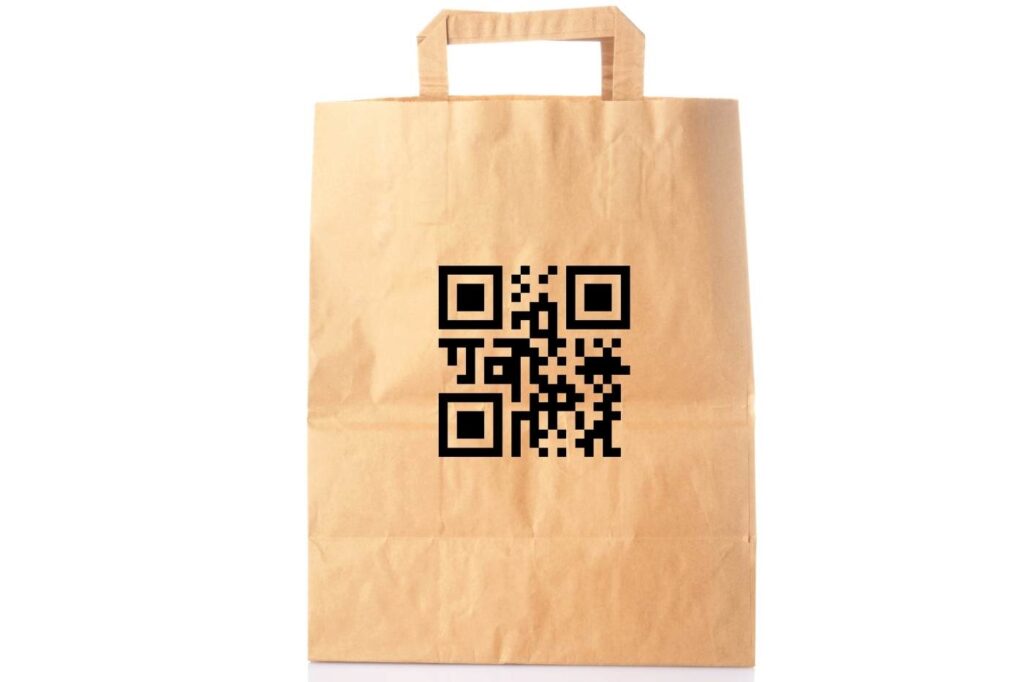
- Scan to access product information in the user’s device language.
- Reduces package clutter while delivering comprehensive instructions.
- Upfront cost for code generation, but highly scalable and easily updated.
NFC Labels:

- Smart chips embedded in packaging for high-value products or clustered store displays.
- Consumers tap devices to instantly retrieve multi-lingual content.
- Higher initial cost than QR codes, but offers a premium, interactive packaging experience.
Translation Apps:
- Complement apps like Google Translate by using simple, clear text and standardised terminology.
- Low-cost solution with broad accessibility.
- Best for basic product information; may not suffice for regulatory content.
Smart Packaging & RFID:
- Includes AR-enhanced instructions, RFID integration, and real-time updates.
- Delivers dynamic, multi-lingual content directly to the consumer.
- Represents the next generation of international product labelling, enhancing user experience and operational efficiency.
Designing for Limited Space:
- Use foldout labels or inserts to include secondary information.
- Leverage digital extensions through QR codes or NFC.
- Prioritise essential information on the main packaging while keeping aesthetics clean.
Case Studies & Success Stories
IKEA: Using Translated Text as a Design Element
- IKEA integrates translated text directly into the package design, using it as a visual element rather than just functional content.
- Simplified layouts ensure readability while maintaining brand aesthetics.
- Result: Clear communication across multiple languages without clutter, enhancing shopper confidence at the point of sale.
Coca-Cola: Transliteration Across Multiple Scripts
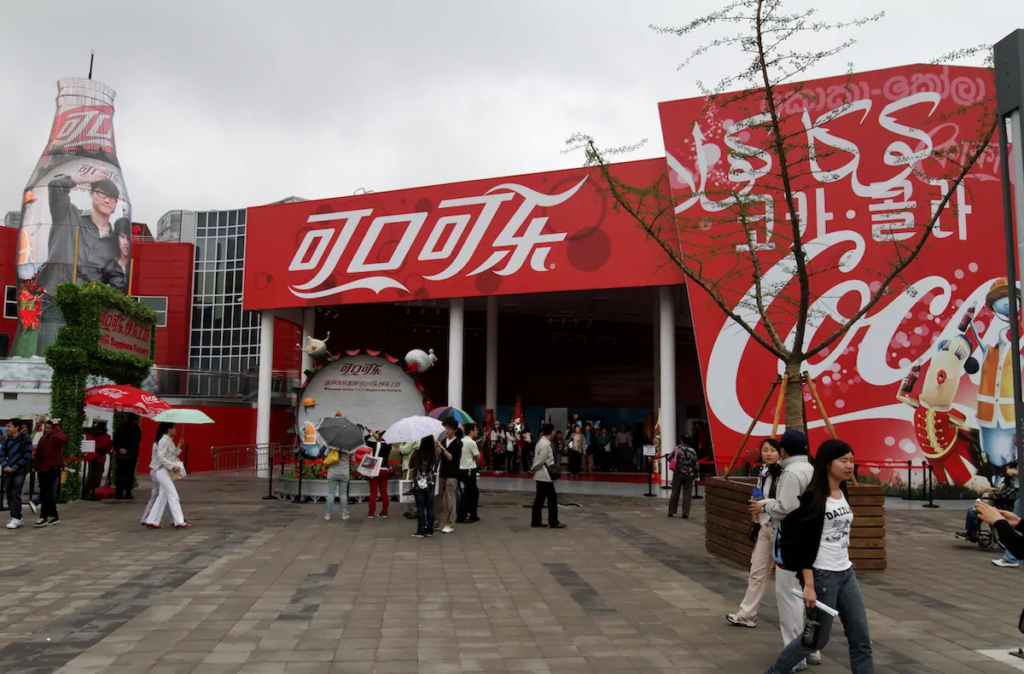
- During global events, Coca-Cola released cans with the logo transliterated into multiple languages and scripts.
- Strategy preserved brand recognition while connecting culturally with local markets.
- Result: Increased engagement, social media buzz, and stronger emotional connection with international consumers.
Philips / Consumer Durables: Multilingual Manuals and Tech-Assisted Instructions
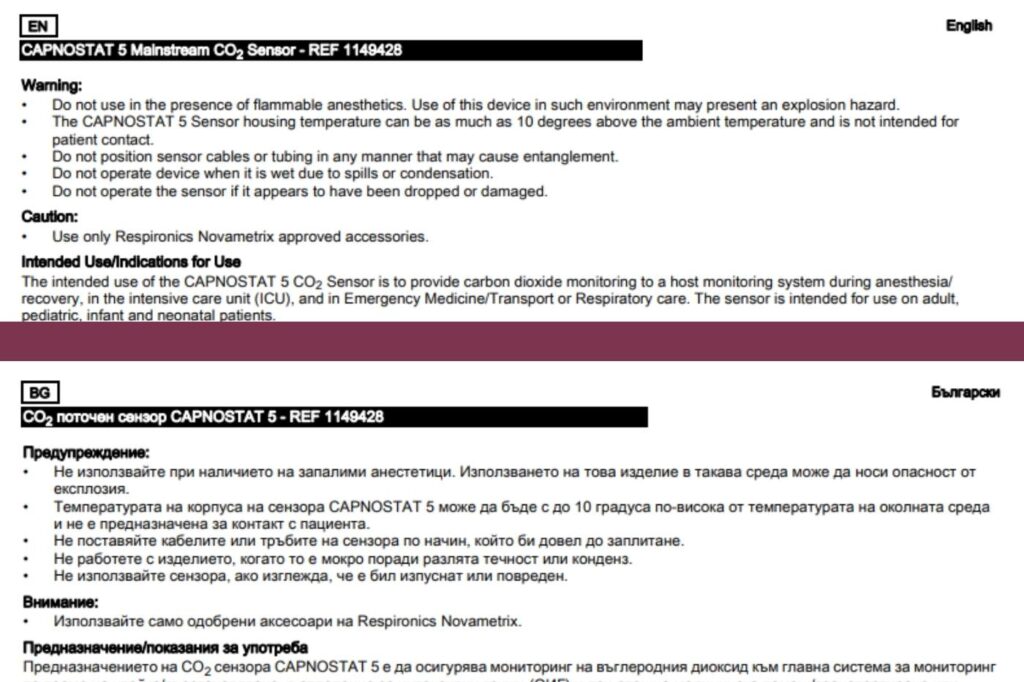
- Philips includes multilingual manuals and digital instructions accessible via QR codes or NFC labels.
- High-value consumer electronics benefit from clear instructions, which reduce support inquiries and enhance customer satisfaction.
- Result: Improved usability, reduced returns, and higher post-purchase satisfaction.
Wrapping Up
Expanding into new markets is never just about shipping products across borders—it’s about building connections. Multi-lingual packaging plays a huge role in making that happen. Brands that invest in clear, culturally aware packaging don’t just meet compliance rules—they create stronger relationships and open doors to higher sales.
If you’re planning international packaging design, now is the time to review your packaging strategy and ensure it speaks the language of your audience—literally and emotionally.
At Goulding Media, we help brands design packaging that communicates effectively across languages and markets.
Based in the UK, our team specialises in creating packaging that blends aesthetic excellence with strategic clarity. Get in touch to discuss how we can make your next packaging project global-ready.