Even the strongest, most successful brands can gradually fall out of step with market expectations. As customer preferences, industry trends, and competitor positioning evolve, your brand identity may no longer fully reflect who you are or what your audience values.
So you need to stay relevant to ensure your visuals, messaging, and experiences consistently align with your market, reinforce credibility, and differentiate your brand.
Without regular evaluation, even established brands risk reduced engagement, weakened trust, and missed growth opportunities. To help you identify when it’s time to refresh, here are the key signs that your brand identity no longer aligns with current market expectations.
1. Outdated Visual Identity
Brands can lose their competitive edge if their visual identity feels outdated or disconnected from modern market expectations.
In today’s fast-moving, digital-first world, a stale visual identity can signal stagnation, regardless of your company’s actual performance.
Signs:
- Aged logos, typography, colour palettes, or imagery: Design elements that were once fresh may now feel dated or inconsistent with contemporary standards. Even subtle, outdated cues can subconsciously impact how your audience perceives your brand.
- Disconnection across marketing channels: Packaging, websites, social media visuals, and printed materials may no longer reflect a cohesive, modern brand presence. Assets designed years ago can fail to meet digital-first expectations.
- Competitors appear more polished: When competitors update their brand visuals, and you haven’t, it creates a negative halo effect—your brand may appear less innovative, credible, or professional by comparison.
An outdated visual identity can make even a successful brand seem behind the times. It can weaken credibility with customers, partners, and investors, reduce engagement, and create the impression that the company is stagnant. Over time, this may lead to decreased brand loyalty and give competitors an advantage simply by appearing more modern and relevant.
Actionable Advice:
- Conduct a visual audit: Evaluate every brand touchpoint—logos, website, packaging, social media, presentations—to identify outdated or inconsistent elements.
- Benchmark against industry leaders: Compare your visual identity with competitors and category innovators to pinpoint gaps and opportunities.
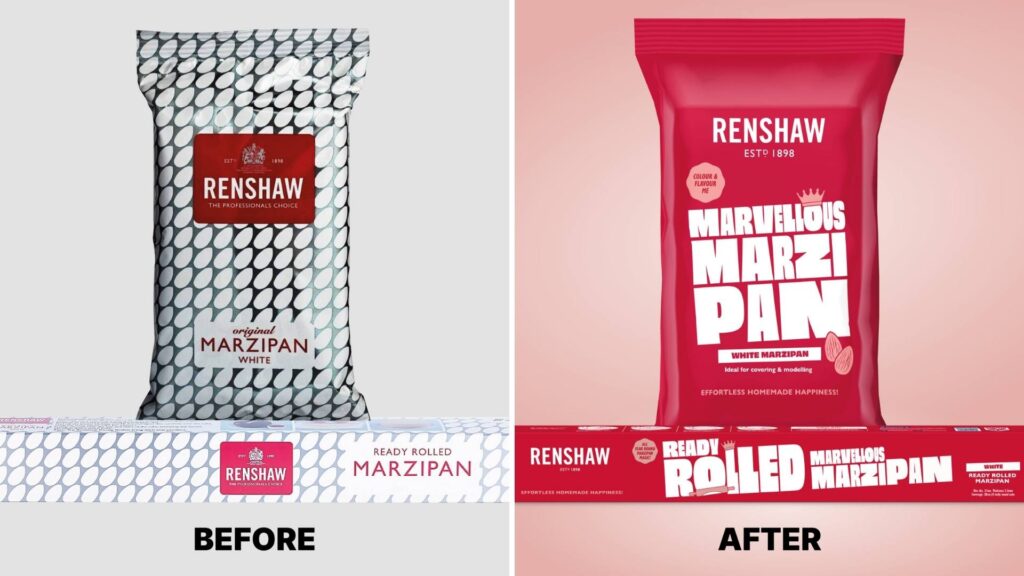
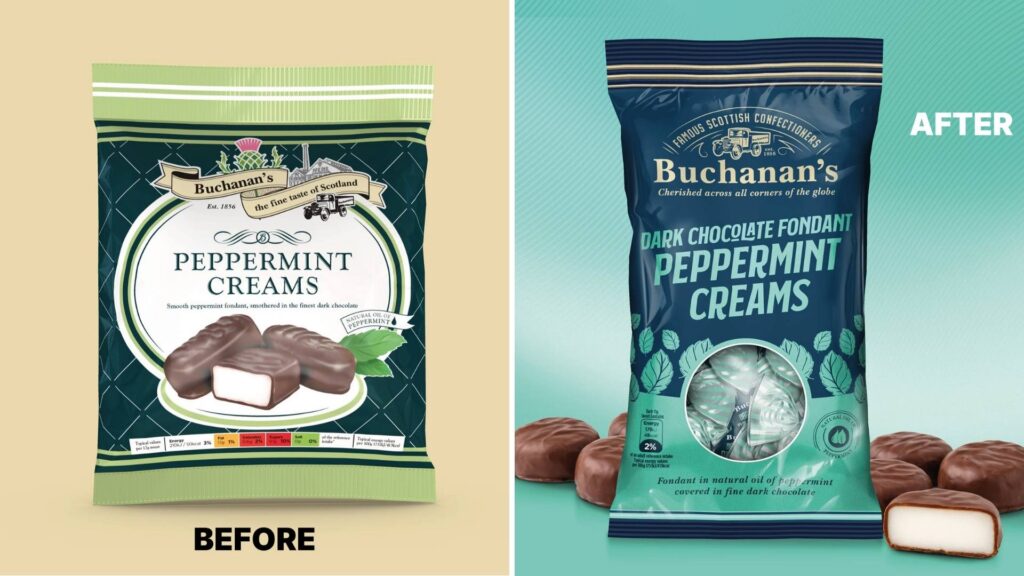
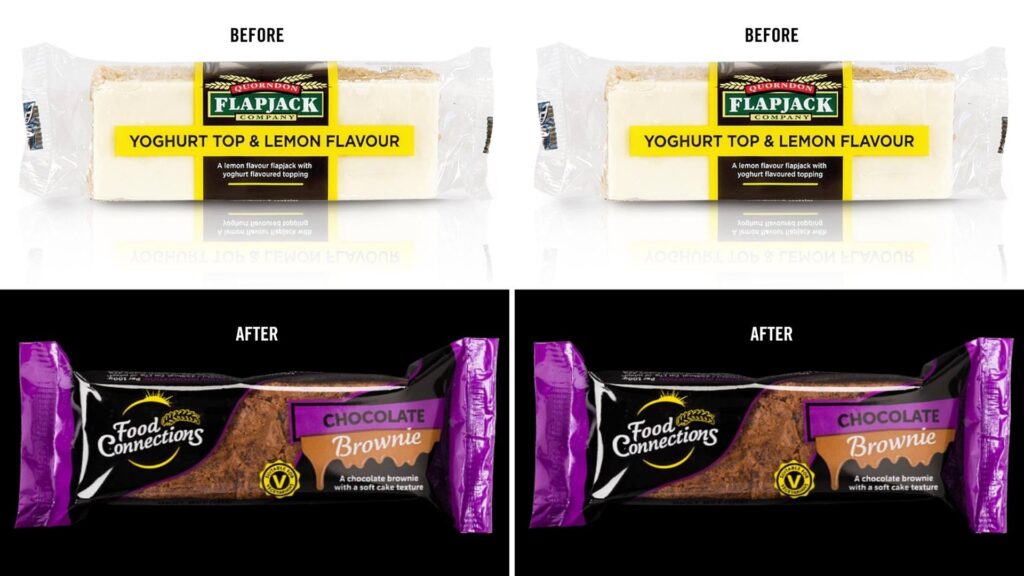
- Refresh strategically: Update key elements (logo, packaging font, colour palette, imagery) to create a timeless, relevant identity that aligns with current market expectations, while preserving core brand equity.
- Document brand standards: Ensure consistency across all touchpoints and geographies with clear, accessible brand guidelines for internal teams and external partners.
Even minor adjustments—like modernising typography or refining colour palettes—can signal relevance without losing established brand recognition. For enterprise brands, these updates should balance innovation with respect for legacy equity.
2. Misalignment With Target Audience Needs
Brands must keep pace with evolving customer values, behaviours, and aspirations. A brand that no longer reflects what its audience cares about risks losing relevance and connection.
Signs of this misalignment include:
- Messaging, tone, and visuals that feel disconnected or fail to resonate with core customers
- Changes in demographics, psychographics, or expansion into new regional or global markets that create gaps in relevance
When this happens, engagement drops, loyalty weakens, and competitors who better reflect customer values can capture market share.
To address this, conduct comprehensive audience research, analyse engagement metrics across campaigns and channels, and adjust brand positioning, messaging, and visual identity to reflect current customer needs, values, and aspirations while maintaining core brand equity.
3. Inconsistency Across Touchpoints
Large brands operate across multiple channels, geographies, and platforms, making consistency essential. Signs of inconsistency include visuals, messaging, or brand experiences that vary across product lines, regional markets, or digital platforms, as well as internal teams struggling to apply brand guidelines consistently.
When brand touchpoints are inconsistent, customers can become confused, recognition suffers, and the brand’s authority and perceived reliability are diluted.
To address this, keep brand guidelines up to date, standardise assets, and implement centralised brand governance to ensure a cohesive and unified brand experience across all channels. Keeping a retainer like Goulding Media can help you maintain assets, and create & deploy assets from a central hub. A brand guardian agency can ensure a high level of consistency.
4. Business Evolution & Expansion
As your brand grows, expands product lines, or enters new markets, your identity must evolve to reflect that growth and the changes which come with maturity. Signs that your branding hasn’t kept pace include mergers, acquisitions, or international expansion creating a fragmented perception, brand architecture that cannot support new products, categories, or services, and an evolved company vision or values that the branding fails to communicate.
When this happens, customers can become confused, trust may erode, and opportunities in new markets can be missed. To address this, reposition the master brand, unify sub-brands, and communicate your company’s new direction clearly to ensure a cohesive and future-ready brand identity.
5. Competitive Pressure & Market Shifts
Even the strongest brands face risks from competitive pressure and market shifts. When competitors refresh their branding, launch bold campaigns, or capture audience attention with innovative messaging, your brand can start to feel dated or less relevant.
Rapid changes in consumer expectations, technology, and industry trends can widen this gap, making it harder to maintain market share.
To stay ahead, monitor competitors closely, track emerging trends, and differentiate your brand through strategic positioning, updated messaging, and visual refinements that reinforce your leadership and market relevance.
6. Underperformance Metrics & Customer Feedback
Underperformance metrics and customer feedback provide direct insight into how your brand is perceived. Declining engagement, stagnant conversion rates, or negative sentiment signal that messaging, visuals, or overall brand experience may no longer resonate with your audience.
Gathering input through surveys, focus groups, and analytics helps pinpoint pain points and gaps in perception. Acting on these insights with targeted updates—whether in messaging, design, or product presentation—restores relevance, strengthens brand loyalty, and ensures your brand continues to perform at the level your market and stakeholders expect.
7. Accessibility, Responsiveness, and Modern Standards
Brands must meet evolving accessibility, digital, and global standards to remain relevant and inclusive.
Signs:
- Brand elements fail accessibility requirements (e.g., WCAG compliance), limiting engagement for some audiences.
- Visuals, logos, or assets do not scale or adapt across platforms, devices, or media formats.
- Outdated user experiences, product interfaces, or marketing formats create a jarring or inconsistent journey.
Impact:
- Excludes segments of the audience and reduces overall reach.
- Undermines credibility and innovation perception.
- Decreases satisfaction and engagement across touchpoints.
Actionable Advice:
- Conduct a full accessibility and responsiveness audit across all digital and physical touchpoints.
- Update design systems to ensure scalable logos, typography, colour schemes, and layouts.
- Modernise branding assets to meet current digital and global standards while preserving brand equity.
8. Internal Alignment & Brand Culture
A brand is as much internal as external. Strong internal alignment ensures every team member embodies and communicates the brand consistently.
Signs:
- Employees are unclear about brand values, mission, or visual identity.
- Teams struggle to deliver consistent messaging or experiences across touchpoints.
- Brand guidelines are underutilised, misinterpreted, or inconsistently applied.
Impact:
- Weak internal advocacy and inconsistent customer experiences.
- Dilution of brand value across channels and geographies.
- Missed opportunities to leverage employees as brand ambassadors.
Actionable Advice:
- Launch internal brand programs to educate and engage teams.
- Reinforce alignment through culture initiatives, workshops, and internal communications campaigns.
- Provide accessible, centralised brand resources for all employees and partners.
- Continuously monitor adoption and adjust initiatives to ensure consistency.
9. Brand Storytelling & Emotional Connection
You win when you connect emotionally with your audience. A story is the most memorable way to deliver key messaging to your audience. A strong narrative sets your brand apart and builds loyalty.
Signs:
- Your visuals or messaging fail to communicate your purpose, promise, or value.
- Your marketing lacks narrative or does not reflect customer aspirations.
- Your brand experiences feel transactional rather than meaningful.
Impact:
- Reduced loyalty and repeat engagement.
- Weaker differentiation in competitive markets.
- Difficulty maintaining premium positioning or audience advocacy.
Actionable Advice:
- Develop cohesive storytelling frameworks that articulate your brand’s purpose and values.
- Align all communications to reflect this narrative consistently.
- Create immersive experiences through campaigns, content, and visual storytelling.
- Measure emotional engagement via feedback, sentiment analysis, and customer insights.
10. Strategic Indicators That It’s Time for a Rebrand
Even successful brands must proactively evolve to maintain relevance, authority, and growth. Rebranding is a strategic move, not a reactive one. We suggest that you review your branding every 3 – 5 years. A review is not a signal that a rebrand is necessary, but you must be proactive to consider the possibility before it’s too late and you find your brand in decline.
Signs You Should Rebrand:
- Your visual identity and touchpoints feel outdated or inconsistent.
- Your audience expectations have shifted, and your brand no longer resonates.
- Internal teams are misaligned or unclear on your brand’s mission and values.
- Engagement, performance, or brand equity has weakened.
- Your brand falls short on accessibility, responsiveness, or modern standards.
- Market or technological changes are affecting your effectiveness.
Rebranding strengthens your authority, preserves relevance, and positions you for continued growth. A well-timed refresh lets you evolve while protecting your legacy and signalling innovation.
Actionable Advice:
- Conduct a comprehensive brand audit across all internal and external touchpoints.
- Prioritise updates that enhance your visual relevance, emotional connection, and operational alignment.
- Use customer insights, market trends, and competitor analysis to guide strategic updates.
- Maintain consistency while modernising your brand to meet current and future expectations.
Final Thoughts
Your brand identity is not a static asset, and even when performance remains strong, shifts in customer expectations, competitive positioning, technology, and design standards can create misalignment over time.
As these signs show, it can quietly erode trust, reduce differentiation, and limit your ability to lead your market.
If you recognise any of these signals, Goulding Media can help. As a UK-based packaging designer, we work with established brands to refine visual identity, strengthen packaging systems, and ensure consistency across every touchpoint, helping you align with current market expectations and position your brand for sustained growth.