Consumers are growing sceptical of artificial ingredients, added sweeteners, and exaggerated health claims. Today, they read labels closely and judge a product’s credibility before even tasting it. Legacy brands that rely on old messaging risk feeling outdated or insincere.
The “Get Real” trend is about authenticity, transparency, and the use of real ingredients. Brands that embrace this approach connect with health-conscious, wellness-focused consumers while delivering products that taste as good as they look.
The Drivers Behind Authentic Branding
Several key factors are fueling the rise of authenticity-focused branding:
Consumer Health Awareness
Shoppers are more informed than ever about the ingredients in their drinks. There’s growing concern over artificial sweeteners, excessive sugar, and overblown functional claims.
Functional and wellness-focused beverages like kombucha or botanical energy drinks meet this demand by using natural, plant-based ingredients and highlighting their genuine benefits.
Scepticism Toward Marketing Hype
Research indicates that many consumers distrust exaggerated health claims. Brands that rely on gimmicks risk losing credibility, while those that communicate benefits clearly and honestly build trust.
For example, Hip Pop’s tagline “Get Real” emphasises transparency, which resonates with shoppers tired of overcomplicated or misleading labels.
Shift Toward Functional and Adult Beverages
As adult soft drinks grow in popularity, there’s an increased focus on drinks that offer wellness benefits, natural energy, or stress relief.
Consumers are choosing beverages that complement healthier lifestyles and social moderation, creating a demand for products that are functional yet authentic.
Transparency and Ingredient Integrity
Consumers are reading labels and seeking beverages that avoid artificial additives, unnatural sweeteners, or unclear formulations. Sugar is no longer automatically negative if it’s natural and used thoughtfully. Clear, honest ingredient communication has become a cornerstone of modern branding.
Experience and Taste Remain Central
Authenticity is also about flavour and enjoyment. Brands that balance functional benefits with great taste succeed in appealing to both conscious and casual consumers. The focus on real ingredients reinforces the idea that healthier choices don’t need to compromise on sensory experience.
Sugar Is No Longer the Villain
In the past, sugar was often cast as the enemy, particularly after the UK sugar tax in 2018. However, the narrative has evolved. Consumers now judge beverages based on ingredient integrity and overall formulation rather than fear-based messaging.
Sugar, when used thoughtfully, can enhance both taste and functionality—especially in functional and adult soft drinks.
For example, brands like Tenzing demonstrate this shift clearly:
- Their Super Natural Energy range, including Fiery Mango, uses natural sugars from beet and fruit.
- Sugar serves not only as a sweetener but also as a functional component, supporting natural energy and flavour.
- In fermentation-based beverages like kombucha, sugar is essential for probiotics and flavour development, feeding bacteria and yeast during production.
Balancing sweetness and health perception is key:
- Drinks that are too sweet can dilute the premium or functional positioning.
- Drinks that are too bland may fail to satisfy consumers’ taste expectations.
- Leading brands adopt a “less but real” approach, using moderate amounts of natural sugar to deliver flavour, energy, and functional benefits.
Communicating this philosophy effectively involves:
- Highlighting natural ingredients on packaging and marketing materials.
- Reinforcing that sugar is carefully measured and functional, not artificial or excessive.
- Combining taste, transparency, and wellness messaging to build trust and loyalty.
Functional Health Drinks Leading the Way
As consumer demand for wellness-focused beverages grows, functional health drinks are taking centre stage. These products combine enjoyable flavours with added benefits, bridging the gap between indulgence and health-conscious choices.
Popular categories include:
- Kombucha: Naturally fermented tea rich in probiotics, supporting gut health.
- Probiotic sodas: Drinks like Hip Pop provide live cultures and prebiotic fibre while maintaining bold, enjoyable flavours.
- Botanical energy drinks: Tenzing’s Super Natural Energy combines plant-based ingredients, electrolytes, and natural caffeine for a clean energy boost.
- Vitamin blends: Purdey’s sparkling fruit and juice blends deliver added vitamins and minerals without artificial additives.
How brands combine taste and functionality successfully:
- Prioritising real ingredients over gimmicks, ensuring consumers feel confident in what they drink.
- Balancing flavour and wellness benefits, so health-focused drinks also taste premium and enjoyable.
- Using transparent packaging and messaging to emphasise ingredient integrity and purpose.
Case Studies Illustrating the Trend
At the heart of the “Get Real” movement sits a clear customer message: people do not want to turn a can around and face a long list of ingredients that feel artificial or unclear. This demand for honesty now shapes how successful adult soft drinks brands position themselves.
Hip Pop
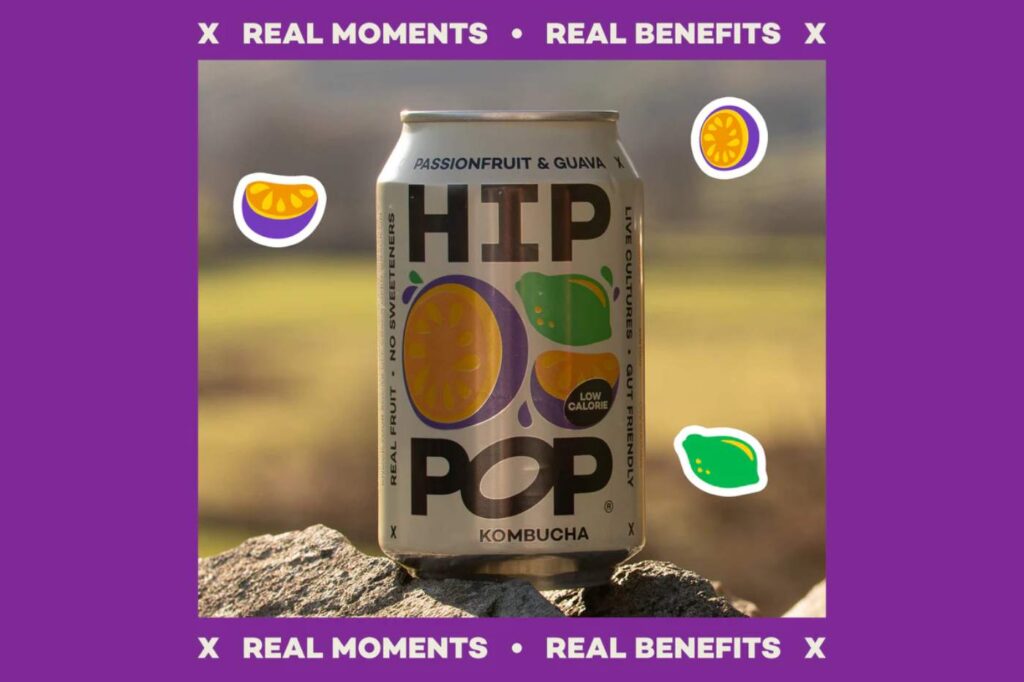
Hip Pop directly reflects this mindset. Its “Get Real” tagline speaks to ingredient transparency and simplicity, using recognisable components and avoiding sweeteners entirely. The brand accepts sugar in smaller amounts, prioritising taste and authenticity over perfection-driven formulas. This approach resonates strongly among shoppers tired of processed alternatives.
Purdey’s
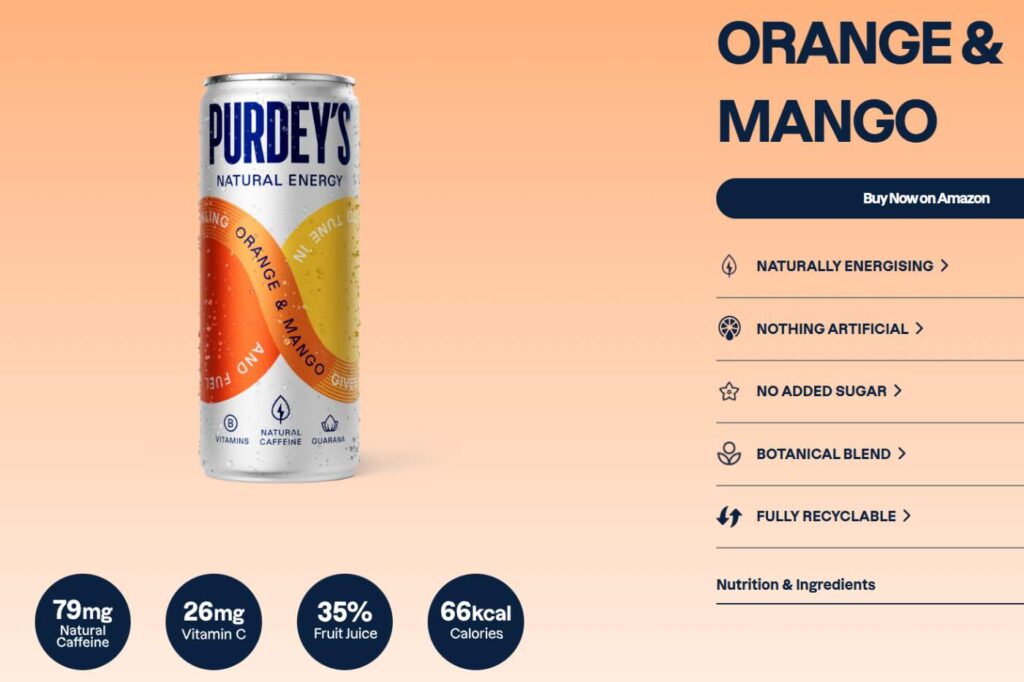
Purdey’s adopts a similar philosophy, pairing fruit juice and sparkling water alongside botanicals plus added vitamins and minerals. Rather than leaning into dramatic health claims, the range highlights balance, flavour, and everyday functionality that feels believable and approachable.
Tenzing
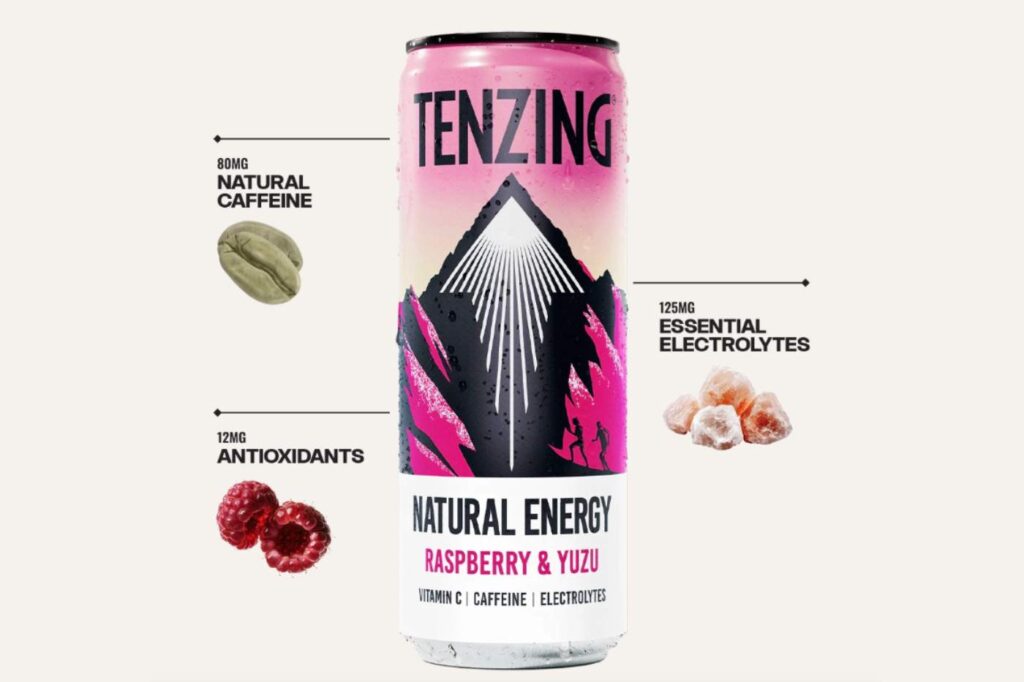
Tenzing channels customer scepticism into clarity. Its Super Natural Energy range focuses on plant-based ingredients such as cordyceps, magnesium, vitamin C, electrolytes, and natural caffeine. Sweetness comes through beet and fruit sugars, reinforcing the idea that natural energy does not require artificial shortcuts.
Lipton Kombucha
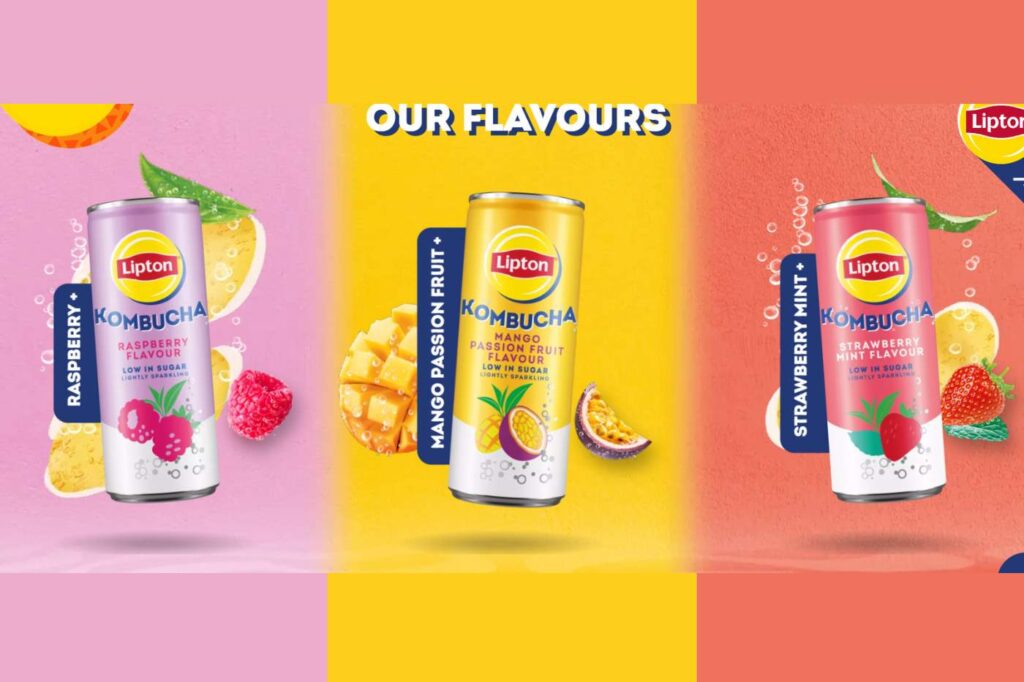
Lipton’s entry into kombucha builds trust through restraint. The brand positions its kombucha as natural, refreshing, and lower in sugar and calories, while avoiding bold functional promises. This simplicity aligns well with consumer expectations around fermented drinks.
Irn-Bru Xtra and Phizz Daily Energy
Irn-Bru’s Xtra launches draw inspiration through genuine consumer language, proving that authenticity can still carry personality and fun. Phizz Daily Energy hydration tablets take a practical route, focusing on minerals and slow-release caffeine designed for real-life use rather than exaggerated performance claims.
Seeing Is Believing: Clear, Honest Labels as a Differentiator
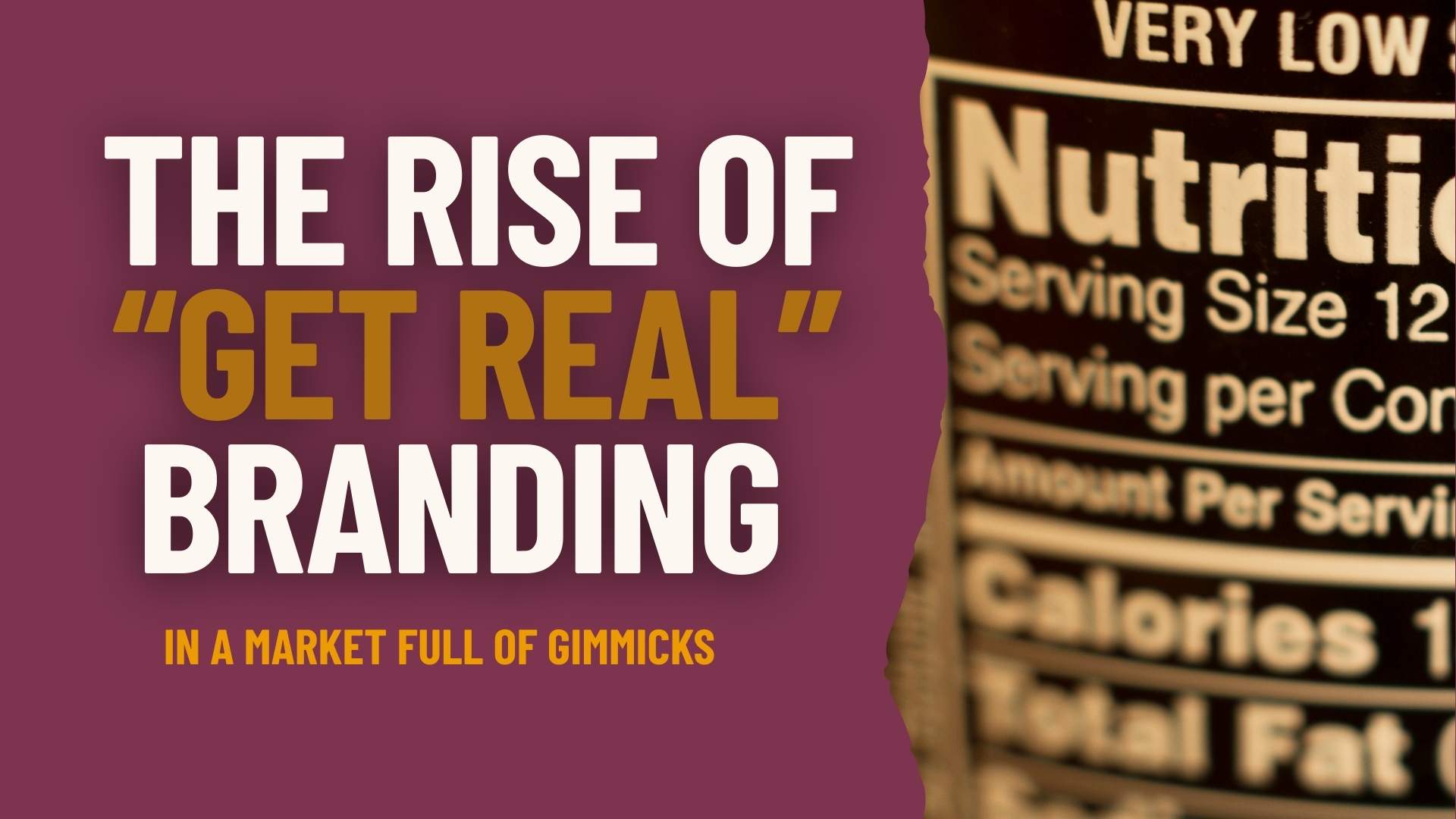
- Shoppers want clarity at a glance: Modern consumers increasingly judge drinks before tasting by scanning the back of the pack. Clear, legible ingredient lists and nutrition panels are no longer optional—they are a trust signal.
- Highlighting functional benefits without overclaiming: Ingredients like probiotics, vitamins, botanicals, or natural sugars should be easy to spot. Using visual hierarchies, badges, or callouts can help convey purpose while remaining honest.
- Avoiding clutter and jargon: Overly complicated labels or marketing copy can confuse or frustrate shoppers. Minimalistic layouts, simple packaging fonts, and intuitive graphics make it easier for consumers to understand what they are buying.
- Building credibility through transparency: Labels that clearly show ingredient sources, processing methods, and functional benefits reinforce authenticity. For example, Tenzing highlights plant-based ingredients and electrolytes, while Purdey’s lists botanicals and added vitamins front and centre.
- Packaging as a bridge to trust: When design and labelling communicate honesty, consumers are more likely to try a product, engage with the brand online, and become repeat buyers. In essence, clear labels act as a silent brand ambassador on the shelf.
- Transitional takeaway: By making the product’s story readable and understandable at a glance, brands combine transparency, functionality, and taste into a single, credible message—reinforcing the overall “Get Real” philosophy.
Overcoming Consumer Skepticism
Consumer scepticism is one of the biggest challenges facing functional and wellness-focused beverages. Research indicates that 44% of consumers distrust gut-health claims made on drinks, highlighting the need for brands to earn trust rather than simply claim benefits.
Consequently, clear packaging, straightforward ingredient lists, and honest storytelling have become essential tools for bridging this gap. By emphasising transparency and avoiding overblown promises, brands can differentiate themselves from marketing hype and demonstrate genuine value.
This approach reassures consumers that the product delivers authentic benefits, not just clever messaging, and builds lasting credibility in a crowded marketplace.
Packaging as a Credibility Signal
Packaging now serves as a silent yet powerful messenger of authenticity. Clean, simple layouts that prioritise transparency over clutter communicate that a brand values honesty and clarity.
Additionally, format choices—such as slim cans, glass bottles, or eco-friendly materials—reinforce a premium feel while signalling responsibility and realness. Thoughtful design can communicate integrity without explicitly stating it, allowing consumers to infer quality and trustworthiness simply by interacting with the product on the shelf.
In this way, packaging becomes both a functional and psychological tool for positioning a brand as authentic and dependable.
Storytelling and Brand Voice
Beyond visual design, a brand’s voice and messaging play a critical role in reinforcing authenticity. Taglines, product copy, and social media content should focus on genuine benefits and taste, avoiding buzzwords, jargon, or gimmicks that can trigger scepticism.
Effective storytelling highlights the origins of ingredients, sourcing practices, and craft techniques, providing context that makes the product feel real and approachable.
By sharing the journey behind a drink, brands create an emotional connection with consumers, strengthening loyalty and ensuring that the “get real” message resonates beyond the label.
Lessons for Legacy Brands
Even established brands with long histories can embrace the “Get Real” movement without a full reformulation. By making strategic updates rooted in a clear brand strategy, legacy products can feel contemporary while staying true to their brand identity. Thoughtful brand development allows companies to evolve without losing what made them successful in the first place.
- Refreshing packaging and messaging: Modern layouts, clean designs, and transparent ingredient lists strengthen brand positioning while signalling authenticity and appealing to today’s health-conscious consumers.
- Highlighting natural or functional ingredients: Minor tweaks such as reducing artificial additives, adding botanicals, or emphasising vitamins and minerals can reposition products for wellness-focused buyers.
- Aligning flavour innovation with brand heritage: Introducing sophisticated or functional flavours that complement the existing portfolio can attract adult and premium consumers without alienating loyal customers.
Moreover, authenticity serves as a powerful tool for repositioning:
- Targeting adult consumers seeking sophisticated or elevated flavours.
- Appealing to wellness-focused shoppers who prioritise transparency and real ingredients.
- Engaging the functional beverage audience through clear communication of benefits without overclaiming.
If your brand is ready to refresh its look and connect with today’s health-conscious, authenticity-seeking consumers, Goulding Media can help.
As a packaging designer in the UK, we specialise in creating clean, modern designs that highlight real ingredients, functional benefits, and your brand’s unique story—helping legacy and new products stand out on the shelf and build lasting trust.
Wrapping Up
The rise of “Get Real” branding shows that consumers value honesty, clear labels, and real ingredients over gimmicks.
Brands that focus on transparency, authentic messaging, and functional benefits can build trust, stand out on the shelf, and connect with health-conscious and adult audiences.
Embracing this approach helps both new and legacy products stay relevant, strengthen loyalty, and drive growth in a competitive market.