Packaging redesigns are often seen as a straightforward way to refresh a brand and boost sales, yet the reality tells a different story. Many brands operate under the misconception that a visually appealing packaging update alone will drive sales performance, overlooking the critical roles of consumer insight, usability, and strategic alignment.
To uncover more about why redesigns fall short and how to get them right, we’ll examine the key pitfalls and outline a consumer-focused approach that drives results.
The Reality: Why Redesigns Fail More Often Than Brands Expect
Key factors behind these failures include:
- Focusing on aesthetics over strategy: Teams often prioritise colours, packaging fonts, and trends instead of considering whether the package communicates the product’s value or aligns with the brand’s positioning.
- Late-stage testing: Designs are frequently validated after most creative decisions are locked in, often using small sample sizes. “Parity” results give a false sense of success, masking potential issues.
- Neglecting functionality and usability: Packages that are difficult to open, fragile during shipping, or confusing in messaging frustrate consumers, leading to negative reviews, returns, or lost sales.
- Disconnect from consumer behaviour: Decisions driven by trends, internal preferences, or competitor activity may fail because they don’t reflect what shoppers actually want.
- Ignoring emotional and cognitive impact: Packaging must quickly convey benefits and create trust. Overlooking this can reduce engagement and decrease purchase intent.
In short, packaging redesign failure is rarely random. It often stems from misaligned strategy, insufficient consumer testing, and a focus on visuals over performance. Understanding these realities is the first step toward designing packages that truly succeed.
Core Reasons Most Packaging Redesigns Fail

1. Lack of Consumer Insight
Many brands make the mistake of assuming what consumers want without gathering robust feedback. Trends, internal preferences, or competitor actions often take priority over actual consumer needs.
As a result, redesigns can miss both the emotional and functional aspects that resonate with the target audience, leading to poor engagement and lower sales.
2. Over‑reliance on Aesthetics
While a visually appealing package may catch the eye, attractiveness alone does not guarantee success. Packaging must communicate the product’s value, benefits, and relevance within seconds.
Many redesigns fail because they prioritise style over substance, producing designs that look good but do not connect with consumers or clearly convey the product’s purpose.
3. Testing Too Late in the Process
A common pitfall is waiting until late in the design process to validate concepts. When testing occurs only after major creative decisions are made, brands risk discovering issues too late, often relying on small sample sizes that produce inconclusive “parity” results. Early, iterative testing helps identify potential problems before costly production decisions, giving the redesign a much higher chance of success.
4. Parity‑or‑Better Validation Standards
Traditional validation metrics, like “parity,” often provide little actionable insight because they simply indicate no meaningful difference between the old and new designs. Small sample sizes compound this problem, leaving brands with uncertain results.
Incorporating predictive metrics that correlate closely with in-market performance can give much more reliable guidance and reduce the likelihood of costly failures.
5. Ignoring Brand Loyalty and Recognition
Radical changes without continuity can alienate loyal customers who no longer recognise the product. Maintaining familiar brand elements while updating the design ensures that the evolution feels natural and preserves trust, preventing the loss of existing customer loyalty.
6. Usability, Functionality, and Production Constraints
A package may look impressive, but if it is difficult to use, store, or open, consumers will quickly become frustrated. Ignoring production complexities or supply chain limitations can also lead to unexpected costs and delays. Ensuring that a design balances aesthetics with practical usability is essential for both consumer satisfaction and operational efficiency.
7. Misalignment with Retail and Channel Requirements
Designs that fail to meet retail specifications or e-commerce display needs can negatively impact conversion rates and shelf visibility. Successful packaging must perform well in both physical stores and digital platforms, adapting to the different ways consumers encounter the product.
8. Neglecting Performance Metrics and Post‑Launch Evaluation
Finally, many brands fail because they do not track and evaluate a redesign after it launches. Without monitoring sales trends, return rates, online reviews, and retailer feedback, companies miss opportunities to learn and improve.
Ongoing performance evaluation is critical for understanding the effectiveness of a redesign and informing future packaging decisions.
If you want to redesign packaging and avoid the common mistakes that lead to lost sales and brand confusion, working with the right expert makes all the difference. Goulding Media helps brands turn insight into packaging that connects, stands out on shelf, and performs in real market conditions.
As an experienced packaging designer in UK, our team blends strategy, creativity, testing, and production awareness to deliver redesigns that protect brand recognition while driving growth. Get in touch with Goulding Media to start a packaging redesign that is built to succeed, not just look good.
A Consumer‑Centric Framework That Works
To create a packaging redesign that truly succeeds, it’s essential to follow a structured, consumer-centric approach. By mapping consumer psychology to design outcomes, brands can ensure that their packaging resonates, engages, and drives purchases.
1. Positioning: Owning a Place in the Consumer’s Mind
Packaging should reflect the brand’s identity while meeting consumer expectations. Effective positioning builds trust, reinforces differentiation, and ensures that the product feels relevant in a crowded marketplace. Every design decision should support the story the brand wants to tell and the perception it wants consumers to hold.
2. Attract: Break Through Visual Clutter
A package must stand out on crowded shelves or online platforms. Designs that break patterns capture attention more effectively than those that blend in. However, it’s important to balance visual disruption with clarity and consistency, so the product is both noticeable and immediately recognisable as part of the brand.
3. Communicate: Clarity Over Complexity
In a matter of seconds, packaging must convey the product’s value and key benefits. Overloading the design with information or confusing messaging can overwhelm consumers and reduce engagement. Prioritising the most important signals ensures that shoppers understand the product quickly and intuitively.
4. Persuade: Drive Purchase Decisions
Once attention is captured, the packaging must motivate consumers to buy. This involves answering the question, “Why should I choose this product?” effectively and convincingly. Integrating insights from consumer testing helps identify the purchase drivers that should be highlighted, turning curiosity into action and boosting conversion.
Self‑Assessment: Why Do You Need A Redesign?
Before investing in a packaging redesign, it’s important to evaluate what changes are necessary. Consider the following questions:
- Has performance declined under the current packaging?
- Should the brand be repositioned?
- Have product specifications changed?
- Are customers frustrated by usability?
- Does the packaging fail to communicate value?
- Is your packaging outdated or irrelevant?
- Has your target audience changes?
- Are cost reductions the reason for change?
How to Measure a Successful Redesign
Evaluating the success of a packaging redesign is just as important as the redesign itself. Post-launch measurement helps brands understand whether the new packaging is delivering the intended business and consumer outcomes.
Sales Performance Analysis
Track sales trends before and after the redesign to identify changes in purchase behaviour. Comparing historical and current performance reveals whether the new packaging has improved visibility, attracted new customers, or boosted repeat purchases.
Consumer Feedback
Gather insights from multiple sources, including online reviews, surveys, and social media sentiment. Direct feedback highlights how consumers perceive the design, messaging clarity, and overall appeal, helping brands spot areas of success and opportunities for improvement.
Return Rates
Monitor returns caused by product damage in both physical retail and online channels. A successful redesign should maintain or improve product protection, minimising returns and enhancing customer satisfaction.
Brand Health Metrics
Assess shifts in brand recognition, preference, and loyalty following the redesign. Understanding how the new packaging affects the brand’s perception ensures that it supports long-term engagement and strengthens connections with the target audience.
Case Studies
Tropicana’s Redesign Flop — Misaligned Aesthetics and Lost Recognition
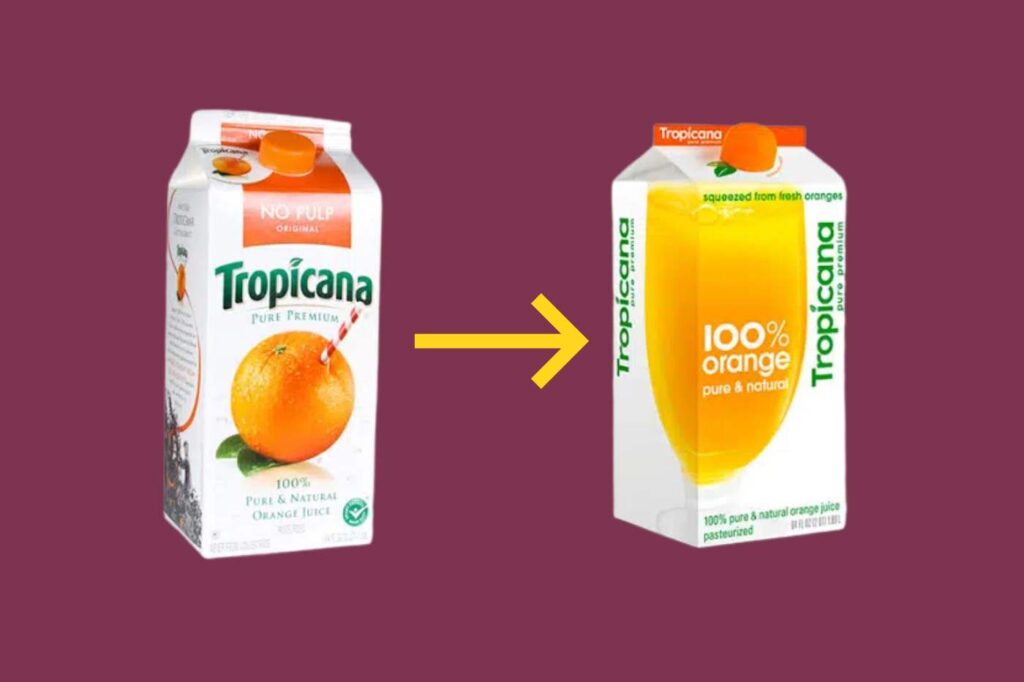
One of the most cited examples in discussions about packaging design trends is Tropicana’s 2009 overhaul. The brand attempted a modern packaging update by replacing its iconic orange with a straw image and familiar logo with a minimalist look meant to signal freshness and innovation.
Despite the intention behind this product packaging makeover, consumers struggled to recognise the brand on store shelves. The lack of visual connection led to a sales drop of nearly 20 per cent within months and an estimated 30 million dollars in lost revenue.
This failed brand packaging transformation showed how risky creative packaging redesigns can be when they move too far away from established brand cues. Tropicana quickly returned to its original look to restore trust and performance.
Read more: Tropicana packaging redesign failure and lessons learned
Coca‑Cola’s Share a Coke — Success Through Personalisation
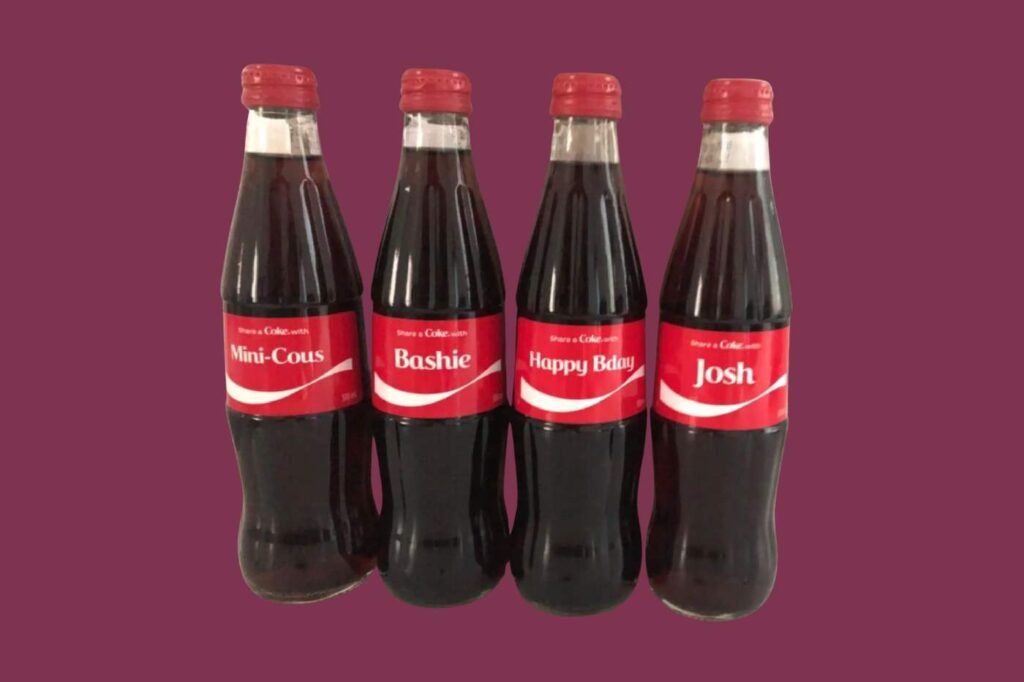
In contrast, Coca-Cola’s “Share a Coke” campaign is often highlighted as one of the most innovative packaging solutions in recent history. First launched in Australia in 2011, the brand replaced its logo on bottles and cans with popular first names, turning packaging into a personal experience.
This approach aligned perfectly with evolving packaging design trends, proving that creative packaging redesigns can drive strong emotional connections.
The campaign encouraged sharing, boosted sales, and expanded to more than 80 countries, making it a global example of successful brand packaging transformation.
Read more: Coca‑Cola’s Share a Coke campaign case study and impact
RXBAR’s Ingredient‑Forward Packaging — Clarity Drives Engagement
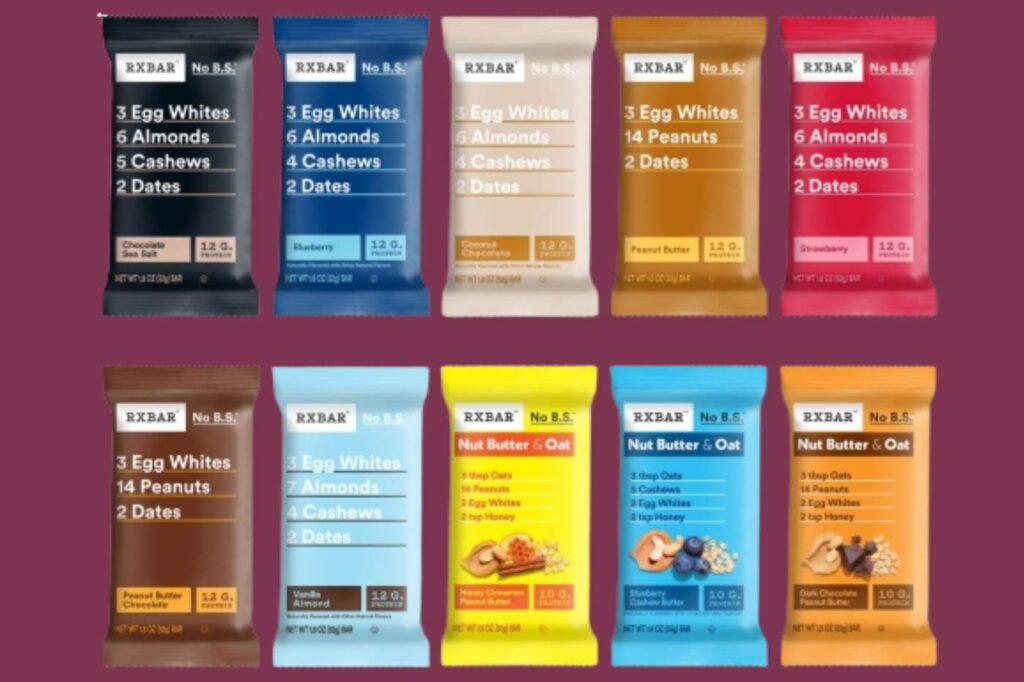
RXBAR took a different path by focusing on transparency and simplicity as part of its eco-friendly packaging design approach. The brand’s sustainable packaging redesign placed core ingredients front and centre, allowing shoppers to quickly understand what they were buying.
This clear and honest layout stood out among competing products and became a standout example of a smart product packaging makeover. RXBAR’s packaging supported rapid brand growth, stronger customer engagement, and ultimately a 600 million dollar acquisition by Kellogg’s, showing how thoughtful modern packaging updates can directly impact business success.
Read more:RXBAR packaging redesign success and growth story
Wrapping Up
Packaging redesign ideas fail far too often because brands focus on aesthetics, follow trends, or make late-stage decisions without fully understanding consumer needs. Success requires a consumer-centric, data-informed approach that aligns design with brand identity, captures attention, communicates value clearly, and persuades purchase.
Early testing, usability consideration, and post-launch evaluation ensure that changes resonate with both existing and new customers, while real-world examples like Tropicana, Coca‑Cola’s Share a Coke, and RXBAR demonstrate that thoughtful, insight-driven redesigns can drive engagement, loyalty, and measurable growth.